Life
- Fossils
New fossils bring the wide world of pterosaurs to life
The latest clues from fossils hint at where these flying reptiles came from, how they evolved, what they ate and more.
- Animals
Let’s learn about beetles’ survival superpowers
Some beetle species can survive extreme pressure, dehydration or even getting eaten.
- Animals
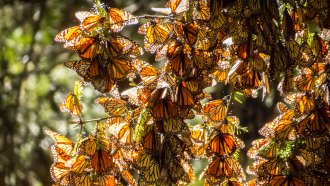
Analyze This: White wing spots may help monarch butterflies fly far
Monarchs with more white on their wings are more successful migrants, new research shows
- Life
Scientists Say: Mycelium
These fibrous networks are the reason plants think fungi are such "fun guys.”
- Tech
Nanobots can now enter brain cells to spy on what they’re doing
Fleets of advanced versions may one day be able to detect disease and then go about surgically treating it — without ever opening the skull.
- Materials Science
Made from fungi, this vegan leather can self-heal holes or rips
If made under gentle conditions, leather formed from the “roots” of mushrooms can retain the ability to regrow and repair minor damage.
- Math
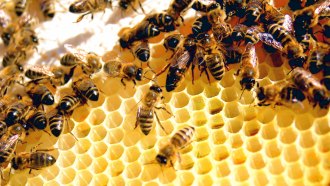
Bees and wasps devised the same clever math trick to build nests
During nest building, these insects add five- and seven-sided cells in pairs. This helps their colony fit together hexagonal cells of different sizes.
- Psychology
Scientists Say: Neurodivergent
This often-misunderstood word describes someone whose brain works a little differently from most.
- Animals
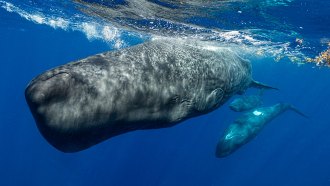
How artificial intelligence could help us talk to animals
AI translates human languages with ease. Researchers are now using this tech to analyze the sounds of whales, rodents and many other animals.
- Tech
What is my pet saying? Scientists are working to find out
Researchers are using artificial intelligence for pet-translation apps. One day, it might put into words what our furry friends are vocalizing.
- Animals
This bird nest becomes a ‘fortress’ using antibird spikes
The spikes were meant to keep birds away. But five nests found in Europe may use the bird deterrents for structure and to scare off predators.
- Tech
A ‘mini cyclone’ helps detect coronavirus in the air
A new device can detect from seven to 35 coronavirus particles per liter of air in minutes. That’s close to a PCR test’s sensitivity — but much quicker.