Life
- Chemistry
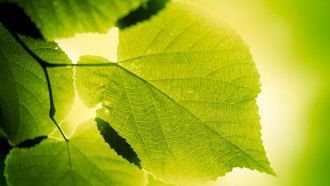
Explainer: How photosynthesis works
Plants can take in light, water and carbon dioxide, and send out sugar and oxygen. Here’s how it works.
- Physics
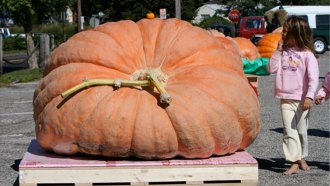
Here’s how giant pumpkins get so big
Cinderella took a ride in a pumpkin coach. Though real pumpkins do get big enough, here’s why their ride would be uncomfortable at best.
- Animals
One hummingbird survives cold nights by nearly freezing stiff
To survive a freezing night, hummingbirds in the Andes mountains go very still, slow their heart rate and let their body temperature plummet.
- Brain
Scientists Say: Narcotic
Scientists refer to a narcotic as a drug that stops pain, but the word can be used in other ways as well.
- Genetics
Gene editing can alter body fat and may fight diabetes
Researchers have long dreamed of using brown fat to fight obesity and diabetes. Work in animals shows they’re closing in on achieving that dream.
- Climate
The faster trees grow, the younger they die
As climate change spurs forest tree growth, it also shortens trees’ lives. That results in a quicker release of climate-warming carbon back into the atmosphere.
- Genetics
Some Neandertal genes may up the risk of severe COVID-19
Most of the affected people descend from communities in South Asia or live in Europe today.
- Animals
Whales get a second life as deep-sea buffets
When a whale dies and sinks to the seafloor, it becomes a feast for hundreds of different types of creatures.
- Animals
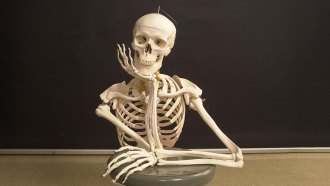
Let’s learn about bones
Bones hold us up and help us fight gravity with every step. They also make blood cells, hormones and more.
- Climate
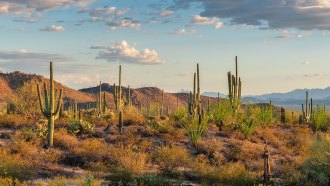
Scientists Say: Desert
Deserts are ecosystems that get less than 250 millimeters (10 inches) of precipitation per year.
- Animals
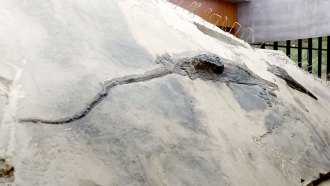
This ancient reptile’s last meal may have truly been a killer
An ichthyosaur’s eyes were too big for its stomach. And that may have led to this ancient reptile’s death.
- Chemistry
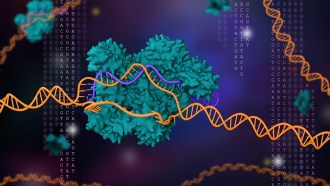
2020 chemistry Nobel goes for CRISPR, the gene-editing tool
Only eight years after its development, CRISPR has revolutionized genetics. It also just brought Emmanuelle Charpentier and Jennifer Doudna acclaim.