Life
- Animals
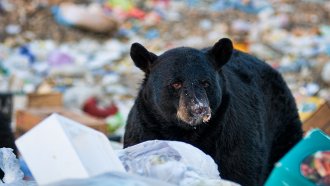
Bears that eat human ‘junk food’ may hibernate less
Wild black bears snacking on leftovers of sugary, highly processed foods show possible signs of faster cellular wear.
- Animals
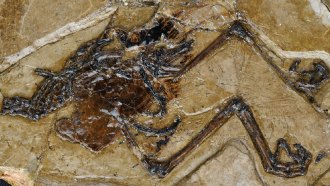
Paleontologists find the first fossilized egg inside an ancient bird
For the first time, paleontologists have found an unlaid egg inside an ancient bird fossil. That egg may have caused its mother’s death.
- Animals
Desert kangaroo rats ninja-kick attacking rattlesnakes
High-speed cameras reveal desert kangaroo rats’ lightning-fast defensive moves.
- Animals
A new fossil shows how hagfish went back to basics
A new fossil hagfish shows these animals aren’t as primitive as researchers had assumed.
- Brain
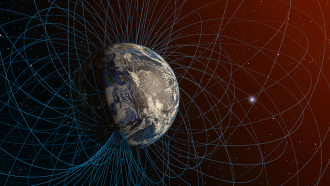
People may indeed have a sixth sense — for magnetism
People may process information about Earth’s magnetic field without knowing it, a study of brain waves suggests.
- Animals
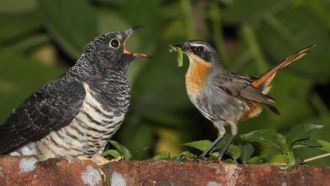
When parenting goes cuckoo
Brood parasites are animals that trick another species into raising their young. This is known among birds, fish and insects.
- Genetics
Shaking hands could transfer your DNA — leaving it on things you never touched
After a long handshake, the DNA you trade could end up on things you never touched.
- Animals
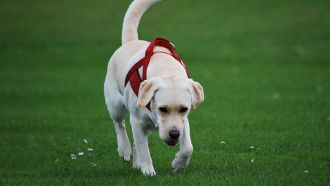
The smell of fear may make it hard for dogs to track some people
Genes and stress may change someone’s scent, confusing search dogs.
- Brain
Art can make science easier to remember
Students who learn science using art remember what they learned longer than those in regular classes.
- Ecosystems
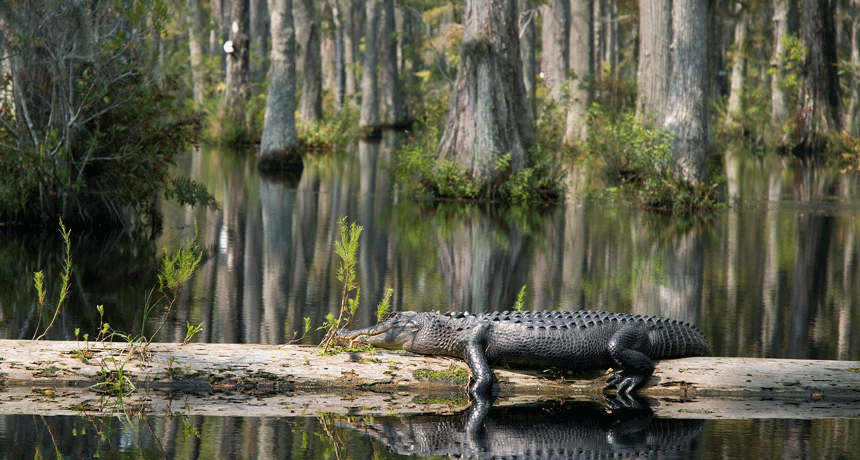
Scientists Say: Wetland
Wetlands are land areas that are flooded with water some or all of the time. They’re more than just wet, though. They filter water, shelter young animals and much more.
- Genetics
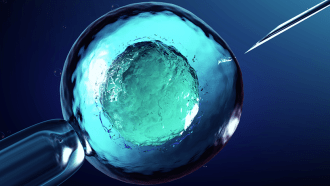
Some scientists ask for ban on the gene editing of babies
Scientists and research organizations have just issued calls for a voluntary ban on editing genes that can be inherited by people.
- Animals
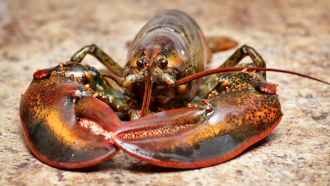
Warming pushes lobsters and other species to seek cooler homes
Plants and animals are moving toward the poles, changing timing of important events and more — all in response to climate change.