Microbes
- Animals
These healthy fish have bacteria in their brains
The bodies of most animals keep germs, usually linked to disease, out of their brains. But some fish that host microbes seem to do just fine.
- Microbes
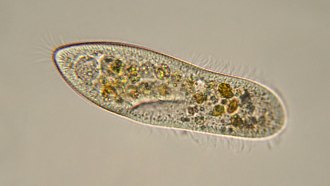
Under the microscope, this biologist sees a tiny jungle
Sally Warring has long been captivated by the beauty of mostly single-celled life forms called protists.
- Microbes
New type of division can split this microbe into 14 cells at once
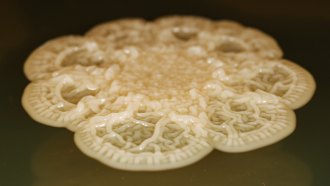
The newfound strategy seen in C. matruchotii might help oral bacteria recover lost territory after each eviction by toothbrushing.
- Microbes
More than 100 types of bacteria found living in microwave ovens
More than 30 microwave ovens were sampled in a range of different settings. The microbes in them included ones that can cause food poisoning in people.
- Planets
‘Percy,’ NASA’s rover, finds its first hint of ancient life on Mars
The robot examined a Mars rock containing organic compounds and “leopard spots.” On Earth, such spots usually come from microbial life.
- Animals
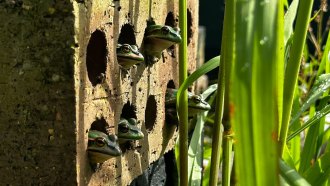
Balmy ‘saunas’ help frogs fend off a deadly fungus
Hanging out in small sun-warmed hideaways could help some frogs resist deadly chytrid fungus, a new study finds.
- Climate
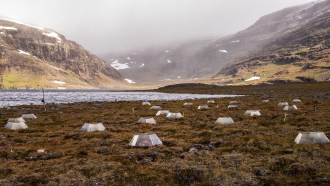
Microbes in the Arctic may be releasing more climate-warming gases
Mini greenhouses in the wild show how the tiny organisms lurking underground in a ‘sleepy biome’ could play a big role in climate change.
- Animals
Phoenixes aren’t the only creatures to survive the flames
Although a phoenix that burns and lives is a myth, many living things on Earth don’t mind hot temperatures.
- Microbes
What the weird world of protists can teach us about life on Earth
Microbes vastly outnumber multicellular life on Earth. A close-up look at protists highlights how much we don't know about the microscopic world.
- Microbes
Let’s learn about useful bacteria
Bacteria do many useful jobs almost everywhere on Earth, from the soil to the seafloor to our stomachs.
- Life
Bacterial fossils exhibit earliest hints of photosynthesis
Microscopic fossils from Australia suggest that some bacteria evolved structures for oxygen-producing photosynthesis by 1.78 billion years ago.
- Life
Scientists Say: Protist
Unified by a few key traits, these diverse organisms come in all shapes and sizes.