Microbes
- Chemistry
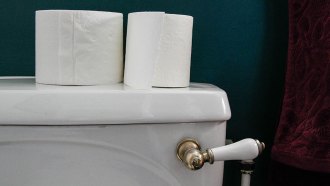
Let’s learn about surprising uses for human waste
Around the world, scientists are investigating ways to turn poop and pee into fertilizer, fuel and construction materials.
- Microbes
Scientists Say: Microcin
Small and deadly (to bacteria), these protein-like molecules fight the growth of potentially dangerous germs in our gut.
- Microbes
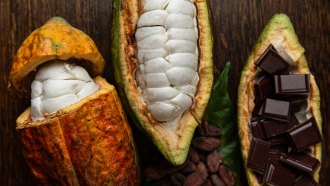
Thank microbes for chocolate’s tasty flavors
Cocoa beans matter, but yeast and bacteria may be the real secret to fine chocolate flavor.
- Health & Medicine
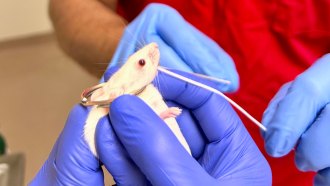
Floss delivers flu vaccine to mice needle-free
The creative solution may one day allow people to vaccinate themselves — no injection needed.
- Materials Science
Scientists transform pee into a golden opportunity
By transforming urine into a valuable medical product, scientists hope to change how we view this human waste.
- Microbes
Experiment: Yeasty beasties
It’s hard to believe a packet of dry yeast is full of living things. But feed the yeast the right things, and presto! You’ve got bubbly, oozing mess of life.
- Space
Is the International Space Station too clean?
Testing surfaces on board the space station revealed low microbial diversity, something that’s been linked to health problems elsewhere.
- Animals
Lab-grown mosquitoes could help protect Hawaii’s native birds
To curb the spread of avian malaria, a teen researcher found a way to make those mosquitoes grow faster and stronger.
- Microbes
Living lenses? Glass-coated microbes might take better photos
Bacteria with a gene from sea sponges can coat themselves in glass. Working as tiny, bendable lenses, they could lead to thinner cameras or sensors.
- Chemistry
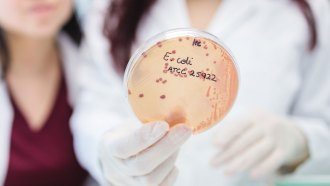
Some bacteria in wastewater can break down a common plastic
These microbes can break the carbon bonds that make PET plastics so hard to degrade. This type of plastic makes up almost one-third of plastic waste.
- Chemistry
Behold the world’s thinnest pasta
Made from white flour and formic acid, the nanofibers average just 370 nanometers across. That’s two-hundredths the thickness of a human hair.
- Climate
Meet Chonkus, a mutant microbe that could help fight climate change
A hulking marine cyanobacterium, Chonkus has traits that appears to make it especially good for storing away carbon on the ocean floor.