Oceans
- Earth
Table salt and shellfish can contain plastic
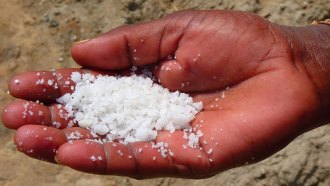
Bits of plastic have turned up in sea salts purchased in Chinese supermarkets. The finding suggests all sea salts may be similarly tainted. Shellfish too.
- Earth
Plastic trash travels up to Arctic waters
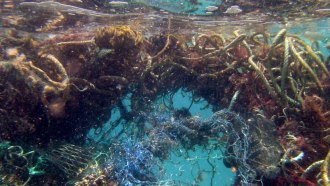
Bags, fishing rope and other tiny bits of plastic are now polluting Arctic waters, posing threats to area wildlife.
- Earth
Quake provides test for tsunami prediction
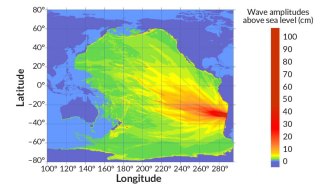
The 8.3-magnitude Chilean earthquake offered an unexpected chance to test a new way of predicting tsunami damage.
- Earth
Explainer: What is a tsunami?
Earthquakes and landslides can create huge waves that travel across oceans.
- Climate
Pacific hurricanes to strengthen as Earth warms
Global warming is heating up the oceans. That is causing waters to warm. As a result, Pacific storms — called typhoons — will become more destructive.
- Animals
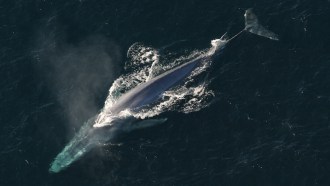
A whale of a journey
The 5,200-kilometer (3,200 mile) journey of Isabela provides a window into the migration patterns of blue whales.
- Earth
Asteroids boiled young Earth’s oceans
At least two asteroids hit Earth 3.3 billion years ago. This superheated the atmosphere, boiled the oceans and shaped how early life evolved.
- Animals
This is no cold fish!
The opah is the fish closest to the whole-body warm-bloodedness typical of mammals and birds. This trait may give the species an edge in the ocean’s cold depths.
- Climate
Carbon dioxide levels rise fast and high
The buildup of carbon dioxide in the atmosphere is rising faster than at any time since dinosaurs roamed the Earth. The burning of fossil fuels is largely to blame.
- Earth
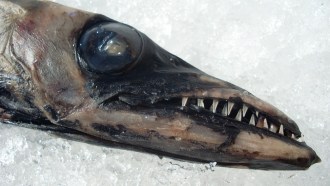
Deep-sea fish show signs of exposure to pollution
A new study suggests deep-water fish may have health problems linked to human pollution. Eating these fish may expose diners to the same pollution.
- Earth
What sent Hawaii’s mountain chain east?
A single shaft of spewing hot rock created an enormously long chain of mostly undersea mountains in the western Pacific. That chain takes an unexpected eastern curve. The reason, scientists now think, may be a gobbled-up tectonic plate.
- Microbes
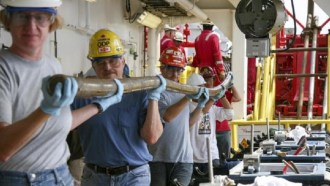
Life’s ultra-slow lane is deep beneath the sea
Biologists had suspected the deep seafloor would be little more than barren sediment. But they found a surprising amount of oxygen — and life.