Oceans
- Oceans
Teen’s invention can warn of deadly rip currents
A teen lifeguard from Australia has invented a buoy that can alert swimmers to the strong, swift and deadly rip currents that can sweep them dangerously far offshore.
- Animals
These killer whales exhale sickening germs
A group of endangered killer whales are exhaling disease-causing germs. Researchers worry these microbes could make the animals sick.
- Earth
Deep-sea dump: Trash is collecting on the Arctic seafloor
Trash is building up on the bottom of the Arctic Ocean, including plastic bags, glass shards and fishing nets.
- Ecosystems
Underwater meadows appear to fight ocean germs
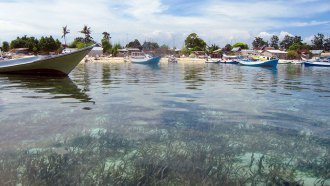
The seagrasses that sway in coastal currents are more than aquatic groundcover. They can reduce harmful bacteria that might otherwise sicken neighboring animals, new data show.
- Climate
Sea ice around Antarctica shrinks to record low
Just two years after reaching a record high, the Antarctic sea ice extent has reached a new low.
- Animals
Deep-sea mining could imperil rare, ghostlike octopus
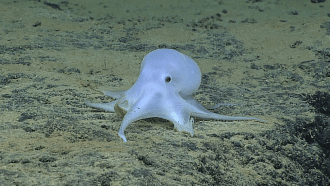
A newly discovered octopus lays its eggs in a dangerous spot: where companies are looking to mine valuable metals for use in cell phones and computers.
- Climate
Climate change could stall Atlantic ocean current
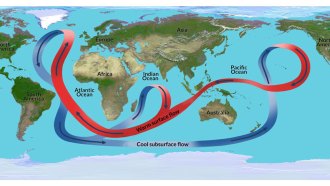
Rising carbon dioxide concentrations in Earth’s atmosphere could disrupt the Atlantic Ocean current after all, a new analysis finds.
- Climate
Earth breaks heat record for third year straight
Climate change and heat from a strong El Niño played roles in making 2016 the hottest year on record.
- Climate
Massive ice shelf is poised to break off of Antarctica
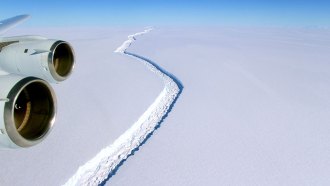
A fast-growing crack in Antarctica’s Larsen C ice shelf could soon release a truly huge hunk of ice into the ocean.
- Earth
Beaches can be a germy playground
Infectious microbes can flourish on sandy beaches. Scientists are now exploring how to find and monitor these hotspots for pollution that can make vacationers sick.
- Animals
Creative ways to help coral reefs recover
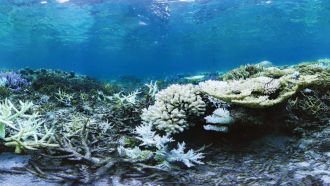
Coral reefs are under siege from threats ranging from climate change to explosives. But scientists are developing ways to rebuild reefs before they disappear.
- Ecosystems
Algae embedded in sea ice drive the Arctic food web
Scientists traced where zooplankton in the Arctic get their energy from. Many open ocean species rely on algae found in sea ice, which is disappearing.