Oceans
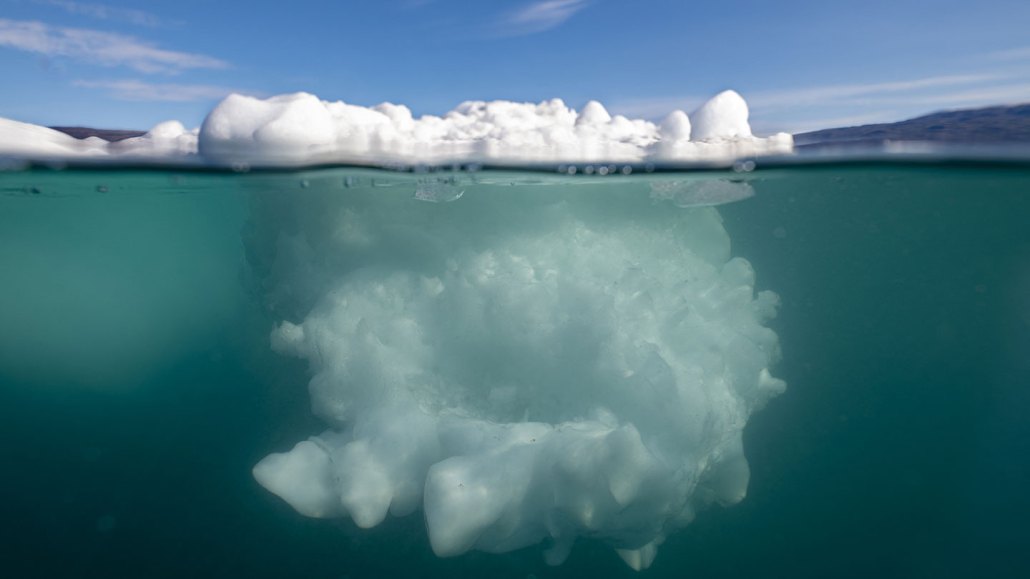
Analyze This: Even as Earth’s oceans warm, one spot has gone cold
A cold blob of water in the North Atlantic suggests that an important ocean current is weakening.
By Carolyn Gramling and Carolyn Wilke
This tactic expands killer whales’ already broad range of behaviors for taking down prey.
New high-tech tools let scientists “tag” along with these red-footed seabirds to solve the mystery of how boobies spend their days at sea.
The tiny cone-shaped structures in arms of chocolate-chip sea stars also triple their skeleton’s strength.
These towering walls of water carry a lot of energy. Scientists are investigating what gives rise to such behemoths and their destructive power.
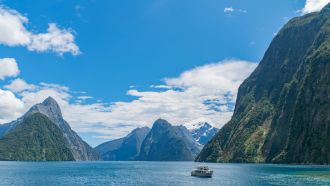
These dramatic, steep-sided sea inlets form when glaciers carve deep channels from the terrain.
Professor and pro surfer Cliff Kapono studies human-ocean interactions through the lens of a surfer, from molecular to macro scales.
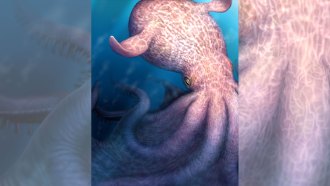
Some of these predators were as long as whales. Roaming the seas more than 72 million years ago, the octopuses appear to have been the largest invertebrates ever known.
One widely used “geoid” technique may have missed up to a century of sea level rise — so risks could hit millions of people far sooner than expected.
Victoria Glynn is studying how high temperatures are affecting ocean plankton. She also makes art to help communicate science to the public.