All Stories
- Life
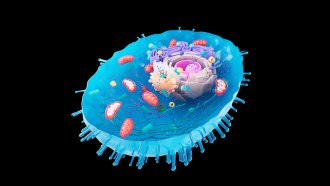
Scientists Say: Eukaryote
Eukaryotes are living things whose cells package their genetic material inside a pouch called a nucleus.
- Math
Why some icicles become scallops not spikes
The newfound — and at times quirky — shapes reflect the density of water surrounding submerged ice.
- Earth
Widely used pesticides may threaten Earth’s ozone layer
Data show a major class of long-used “eco-friendly” copper chemicals unexpectedly react with soil, making gases harmful to Earth’s protective ozone layer.
- Animals
See the world through a jumping spider’s eyes — and other senses
Scientists are teasing out the many ways the spiders’ vision, listening and taste senses differ from ours
- Animals
Goldfish driving ‘cars’ offer new insight into navigation
Fishes’ internal sense of direction is not limited to their natural environment. The latest Wild Things cartoon from Science News for Students.
- Climate
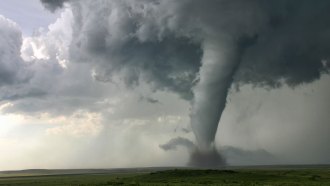
Let’s learn about tornadoes
Tornadoes are often spawned by thunderstorms — but can also emerge from hurricanes and wildfires.
- Earth
Scientists Say: Pollution
Pollution is any substance or form of energy released into the environment that is harmful to people or other living creatures.
- Physics
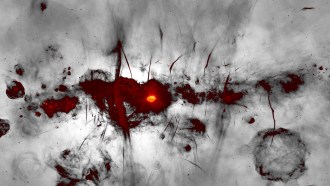
Wild art? No, it’s a radio image of the heart of our Milky Way
Eyelash-like radio filaments accent the brightest feature in this image — a supermassive black hole.
- Chemistry
Clothes dryers may be a major source of airborne microplastics
Scientists thought washing machines were a leading contributor of microplastics. Now it appears dryers may be an even bigger problem.
- Brain
Addiction can develop when reward-seeking changes a teen’s brain
Over time, the pleasure disappears and craving grows. That craving causes stress that can drive people to use drugs or pursue unhealthy behaviors again and again.
- Chemistry
No, organic molecules alone don’t point to life on Mars
These carbon-based molecules, found in a meteorite, may reflect merely a mixing of water and minerals on the Red Planet over billions of years.
- Physics
Analyze This: Masks cut the distance that spit droplets fly
Both cloth masks and surgical masks reduced the distance spit traveled from a person talking or coughing by at least half, compared with no mask.