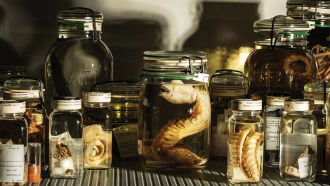
This evolutionary biologist fuses art into her science
Victoria Glynn has turned to art to reach learners from different backgrounds
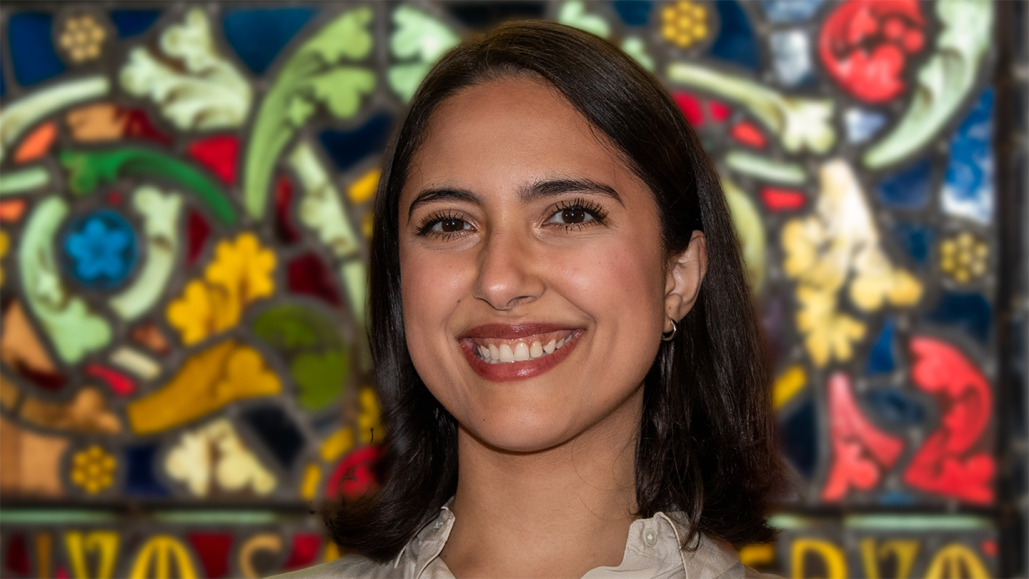
Victoria Glynn initially saw her interests in art and scuba diving as separate from her work in science. But both have helped shape her career path. "The experiences you may not see as valuable in professional settings may be what sets you apart," says this evolutionary biologist.
Su Reid-St. John
This is a human-written story voiced by AI. Got feedback? Take our survey . (See our AI policy here .)
When Victoria Glynn was a teen living in Honduras, she enjoyed making art. But that wasn’t her only interest. “Growing up in Central America, I was just surrounded by all of this amazing biodiversity,” she says. So, when it came to college, Glynn opted to study environmental science.
For undergrad studies, Glynn moved to the United States to attend the University of California, Berkeley. While there, she worked in a lab that genetically engineered yeast to produce biofuel. But she had a problem: Glynn was struggling to find diagrams to accompany talks about her research. Her mom suggested that she use her skills in art and make her own. “At the time, I wasn’t seeing other people doing that,” Glynn says. “It felt like science was in one corner, and all the arts and humanities were in the other.”
Glynn soon found other ways to bridge science and art. As an undergrad, she taught refugees and children who had recently arrived in the United States. She sometimes worked in classrooms where the students spoke many different languages. Art became a “common language for all of us to be on the same page,” she says.
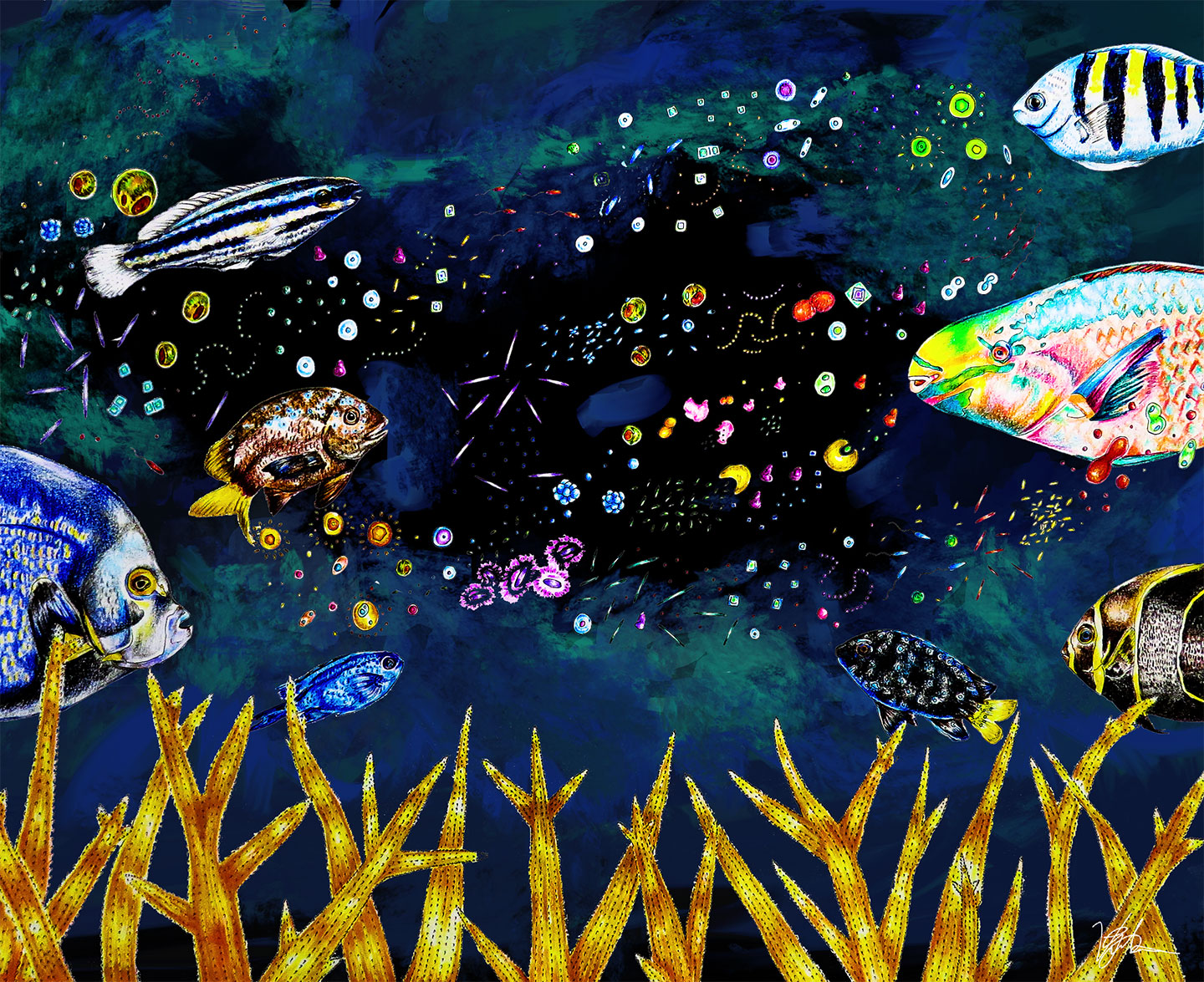
Now as a visiting researcher at the University of Connecticut, Avery Point, Glynn studies how plankton are adapting to high temperatures. In this interview, she shares her experiences and advice with Science News Explores. (This interview has been edited for content and readability.)
What inspired your career?
I think what really inspired me was an undergrad class at Berkeley. One of my best friends recommended that I take this particular genetics course. I was unsure since the course wasn’t a requirement for my degree. The class seemed very removed from my interests at the time, but I still decided to enroll. I felt college was a time to explore and learn from various fields.
I remember something just clicking in my brain during one of the first lectures. Genetics and DNA felt so powerful. All organisms have DNA, which means you can track it and directly measure how it’s changing over time. Essentially, how it is evolving and mutating. After this class, I really wanted to dive into this topic more deeply.
How did you get to where you are today?
I didn’t do a lot of marine biology work until I was in my PhD. The lab I joined for my PhD at McGill University in Montreal, Canada, was looking for someone who did genetics work, preferably in marine invertebrates. I happened to fit the bill and was interested in the project. We would take corals from their home environment and bring them onto a boat to conduct temperature stress experiments. We were interested in seeing how they build up resistance to bleaching.
Corals are beautiful animals, but they’re very hard to rear in the lab. They’re very delicate animals that do not like being in tanks. They even struggle out on the reef. That unpredictability makes experiments very difficult.
For my post-doc, I switched to studying plankton to better understand how marine organisms are being affected by warming oceans. I needed an animal that could evolve quickly over multiple generations. Plankton are much easier to grow. In as little as 11 days, you can have adult plankton that lay eggs. Compare that to corals. Some species are so long-lived that they will not reproduce within our lifetime.
How did you decide to study science education?
I loved being an environmental science major, but I often missed that human connection when spending time in the lab. I also felt that sometimes the best researchers were not always the best at communicating their work with the general public. I wanted to share what I was learning with those who are the most affected.
Improved science communication leads to better science. In turn, embracing different backgrounds improves science education. It allows more people who are taking these courses to feel empowered and actually pursue STEM degrees. [STEM stands for science, technology, engineering and math.]
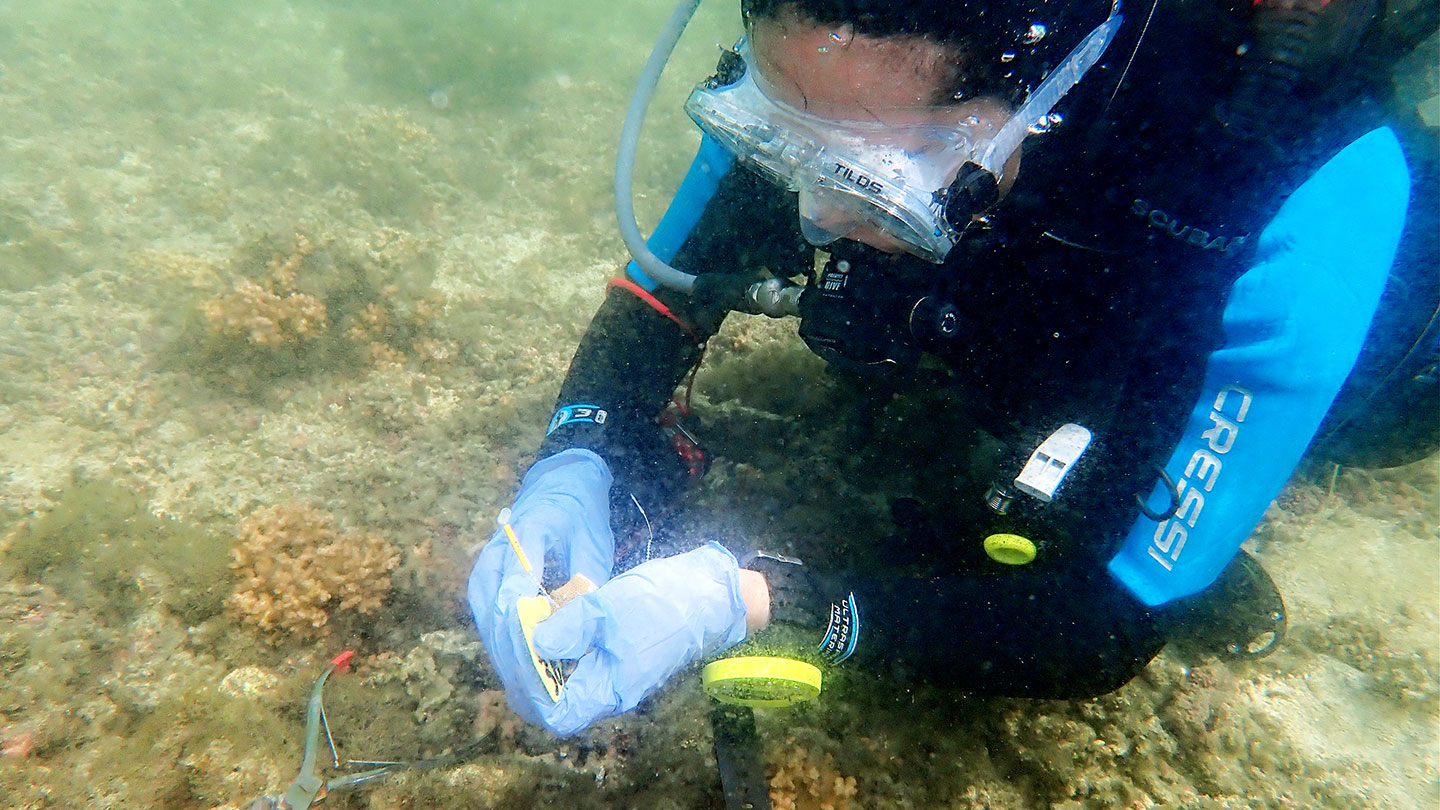
Scuba diving is both a hobby and part of your work. When did you pursue that?
Both of my parents are divers. When I was younger, they would always talk about it. Honduras is also one of the most affordable places to get dive certified. So when I turned 12, I decided to go for it.
As I was applying for my PhD, my mother suggested that I add diving onto my CV. [A CV, or curriculum vitae, is the academic version of a resume.] I doubted whether people were going to care but added it anyway. That was the one line out of my entire CV that my future PhD advisor picked out during our interview. He was looking for someone who could handle both diving in the field and doing molecular work in the lab.
That taught me that the experiences you may not see as valuable in professional settings may be what sets you apart. You don’t know where these experiences are going to lead.
What advice would you give those pursuing careers in STEM?
Oftentimes, you find the most unlikely mentors outside of your direct field of study. I think those can be the most important. Sometimes, those people gave me more powerful personal advice than my formal supervisors did. STEM degrees are difficult. But with a good support system, anything is possible.