All Stories
- Chemistry
Scientists Say: Cellulose
Cellulose is an abundant natural polymer found in plants and algae. It’s used to make everything from paper to clothing.
- Animals
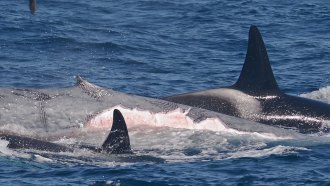
Orcas can take down the largest animal on the planet
For the first time, scientists observed that orcas can kill blue whales by using the same hunting techniques that have worked on other large whales.
- Chemistry
New process can transform urban CO2 pollution into a resource
Researchers have developed a liquid metal that breaks down carbon dioxide in the air, converting it from a climate threat into a valuable raw material.
- Animals
These flying robots protect endangered wildlife
Flying drones make conservation work much easier. Around the world, drones and artificial intelligence help scientists study or protect endangered animals.
- Science & Society
Explainer: What is an endangered species?
Threats such as climate change and habitat loss can put species at risk of going extinct. Different words describe that risk.
- Ecosystems
More than 9,000 tree species may be waiting to be discovered
Scientists estimated how many tree species are on Earth, an important step for forest conservation and protecting biodiversity.
- Animals
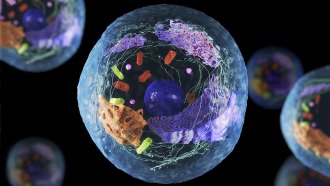
Explainer: Cells and their parts
Life as we know it depends on the coordination of structures inside cells — whether a living thing has only a single cell or trillions of them.
- Animals
La nutria soporta el frío, sin un cuerpo grande ni capa de grasa
Al mamífero más pequeño del mar no le es fácil mantenerse caliente. Ahora, los científicos han descubierto cómo sus células responden al desafío.
- Earth
El volcán de Santorini erupciona más cuando baja el nivel del mar
Los datos que demuestran esta relación entre las erupciones de este volcán griego y el nivel del mar se remontan al menos a 360,000 años.
- Climate
Nuevo informe de la ONU sobre el clima: no hay tiempo que perder
En el informe de la ONU se vinculan directamente las temperaturas extremas, lluvias e incendios en todo el mundo con el clima cambiante de la Tierra.
- Animals
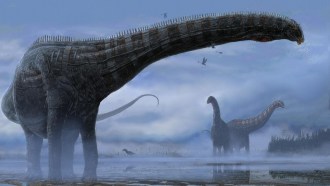
Dinos may have had the sniffles 150 million years ago
A respiratory infection that spread to air sacs in the vertebrae of a sauropod dinosaur likely led to the dino's now-fossilized bone lesions.
- Earth
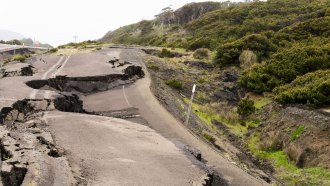
Scientists Say: Richter Scale
The Richter scale and other magnitude measures reveal the strength of an earthquake.