All Stories
- Climate
Surprising long-haul dust and tar are melting high glaciers
Dust and tar blown onto high mountains, like the Himalayas, boost the melting of snow and ice far more than scientists had realized. Here’s why.
- Health & Medicine
Moderna vaccine for COVID-19 appears nearly 95 percent effective
A second coronavirus vaccine appears super effective in preventing people from being sickened by COVID-19.
- Animals
This snake rips open a living toad to feast on its organs
A particularly gruesome way to kill may help small-banded kukri snakes avoid a deadly poison secreted from the neck and backs of some toads.
- Animals
Scientists Say: Evolution
Evolution is how species change over time. Individuals in the group vary, and some will pass on their genes. Over time, the whole species changes.
- Brain
Kids use more of the brain than adults do to process language
The brain continues to grow and mature throughout childhood. One big change occurs in which parts of the brain turn on as someone processes language.
- Tech
Computers are changing how art is made
Some people have challenged the idea that artificial intelligence can be creative. But new software can provide inspiration to artists or fully partner with them in the creative process.
- Computing
Explainer: What is an algorithm?
These step-by-step instructions underlie social media, internet searches and other computer-based activities. But what are they exactly? We explain.
- Psychology
Handwriting beats typing when it comes to taking class notes
Taking notes with a pen or pencil triggers activity in parts of the brain important for memory and for storing new information.
- Animals
Analyze This: Ropes restore a gibbon highway through a rainforest
When endangered Hainan gibbons started making risky leaps across an area mowed down by a landslide, researchers provided them a rope bridge.
- Health & Medicine
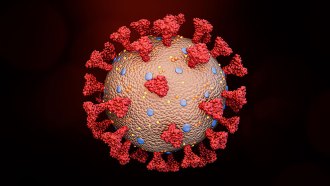
Explainer: What is a spike protein?
These proteins, which give coronaviruses their name, also help them to infect cells.
- Health & Medicine
New Pfizer vaccine appears 90 percent effective against COVID-19
Preliminary finds show one of the new coronavirus vaccines appears 90 percent effective at reducing symptomatic COVID-19 infections.
- Animals
Attack of the inner-cannibal mega-shark
The outsized megalodon was a fierce terror that chewed its way across the oceans. It learned to kill even before it was born.