All Stories
- Environment
Old clothes soon may be recycled, not trashed
One day, clothes may be recycled almost as much as plastics and glass are now. See how chemists are moving us in that direction.
- Space
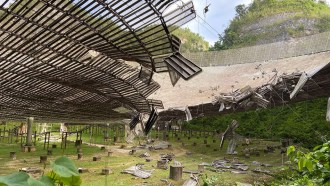
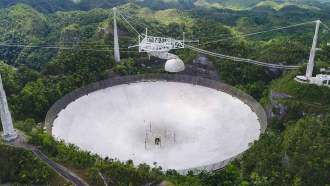
Star of science and movies, the Arecibo radio telescope is dead
Broken cables led to catastrophic damage of its history-making dish. The U.S. National Science Foundation will now dismantle what remains.
- Space
Why Arecibo’s loss is such a big deal for astronomy
Damage to the radio telescope in Puerto Rico has robbed scientists of a special tool for studying everything from asteroids to galaxies.
- Agriculture
How to grow your own science experiment
Does fertilizer help plants grow better? You might expect it to, but how can you know? This experiment will help you test it yourself.
- Chemistry
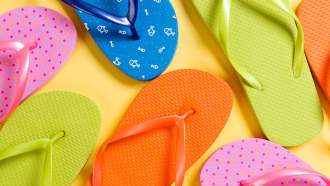
Here’s how to make flip-flops biodegradable
Innovative flip-flops made from an algae-based plastic decompose in soil or compost. The comfy shoes also avoid use of fossil fuels.
- Psychology
Suffering from racist acts can prompt Black teens to constructive action
Stress from experiencing racist acts can lead Black teens to recognize and confront racism and fight for social justice.
- Math
Scientists Say: Velocity
Velocity is more than speed. It is both speed and the direction in which an object is traveling.
- Computing
New device tells smiles from frowns — even through a mask
Most facial-recognition software has to see the whole face to work. The new type can reconstruct an entire expression from just viewing your cheeks.
- Ecosystems
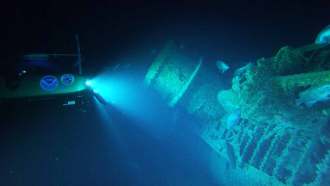
Analyze This: Shipwrecks provide a home for bottom-dwelling fish
Fish have found a habitat in a submarine and freighter that sunk to the seafloor during World War II.
- Animals
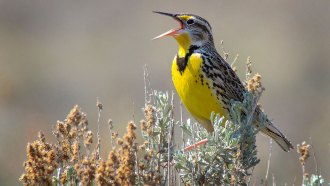
Around the world, birds are in crisis
Human activities around the world are threatening bird species. Numbers of even some of the most common species are starting to fall.
- Archaeology
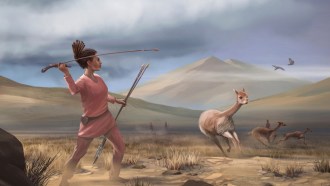
This prehistoric woman from Peru hunted big game
Women in the Americas speared large prey as early as 9,000 years ago, new archaeological evidence suggests.
- Planets
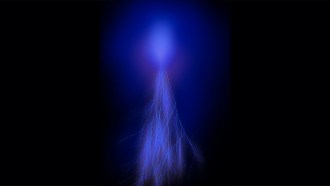
Jupiter may have ‘sprites’ or ‘elves’ in its atmosphere
This is the first time that scientists have seen hints of these weird side effects of lightning storms somewhere other than on Earth.