All Stories
- Animals
Pooping ducks can shed the live eggs of fish
Some carp eggs survived and even hatched after being pooped by a duck. This may help explain how invasive fish reach isolated waterways.
- Physics
Spotted: Milky Way’s giant gas bubbles in visible light
The bubbles have different colors, based on how the gas inside them moves. That could give clues to how the bubbles developed.
- Brain
Explainer: How our eyes make sense of light
It takes a lot for images before the eyes to be 'seen.' It starts by special cells sensing the light, then signals relaying those data to the brain.
- Physics
Understanding light and other forms of energy on the move
Radiation needn’t be scary, especially if it allows us to see our family or use our cell phones. Here’s a guide to light and other types of emitted energy.
- Climate
Let’s learn about hurricanes
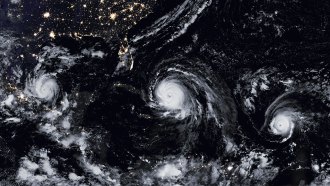
Hurricanes are huge, terrifying storms that form over warm ocean waters — and waters are getting warming.
- Materials Science
Shape-shifting cuts give shoes a better grip
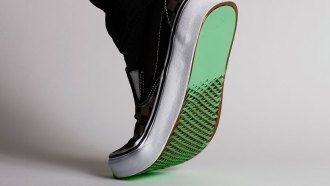
With pop-out structures inspired by kirigami and animals, a shoe sole goes from flat to spiky to boost friction on slippery surfaces such as ice.
- Animals
Tube-dwelling sea creatures may be oldest known parasites
A fossil bed of clam-like animals from a half-billion years ago is covered in tube-dwelling organisms. These suggest the tube dwellers were parasites, scientists now report.
- Agriculture
Scientists Say: Prairie
Prairies are flat, fertile grasslands in North America. They are their own unique ecosystem.
- Health & Medicine
Ah-choo! Healthy sneezes, coughs sound just like sick ones to us
Think you can tell a sick cough from a healthy one? Think again. New research finds the human ear isn’t sensitive enough to tell the difference.
- Physics
A contrast between shadows and light can now generate electricity
A new device exploits the contrast between bright spots and shade to produce a current that can power small electronics.
- Archaeology
Let’s learn about mummies
A mummy is a preserved body. They’re fun and spooky, but also a great chance to learn about people of the past.
- Fossils
Fossil stomach reveals a dinosaur’s last meal
A rare fossilized stomach reveals a dino’s dining preferences. It also provides clues to the ecosystem in which the reptile lived.