All Stories
- Animals
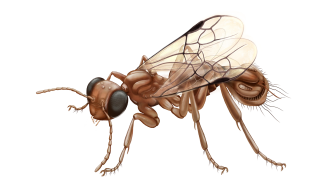
The rear end of this ancient wasp was built like a Venus flytrap
The newfound wasp species — from 99 million years ago — likely laid eggs on the small creatures that would have been caught in this trap.
- Ecosystems
Scientists Say: Ecosystem
The interplay between living things and the physical environment gives rise to Earth’s thriving, life-sustaining ecosystems.
- Environment
Study uncovers secrets in water’s underground treks
Water's subterranean travels can be long, slow — and carry pollutants far from where they first got drawn into the Earth.
- Genetics
DNA confirmed a Pueblo tribe’s ties to Chaco Canyon
DNA supports Picuris Pueblo stories of their ancestry going back more than 1,000 years — to the famous Chaco Canyon site.
- Space
A passing star could fling Earth out of orbit — or into the sun
Computer models show that a star's tug could send Mercury, Venus or Mars crashing into Earth — or let Jupiter eject our world from the solar system.
- Space
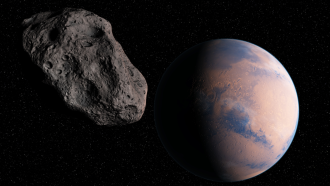
Scientists Say: Quasi-satellite
Unlike a true satellite, these tagalongs orbit outside a planet’s primary sphere of gravitational control.
- Tech
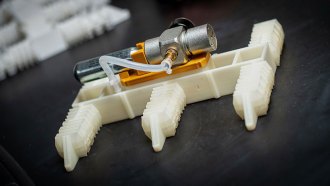
This 3-D printed robot runs on air, not electricity
The soft, flexible robot can cover uneven ground and even walk underwater.
- Animals
Captive-breeding axolotls may help avoid their extinction
The axolotl program's success shows promise in helping protect this highly popular amphibian — currently found in only one lake — from dying out in the wild.
- Environment
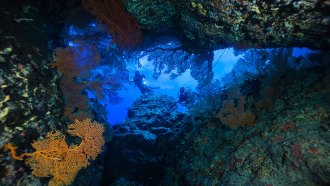
New ocean sanctuaries house young coral and even flee peril
Two ISEF finalists want to foster growth of new coral reefs. So these teens designed and built self-navigating, undersea houseboats for coral larvae.
- Archaeology
Roman gladiators really fought big cats, ancient bite marks suggest
This is the first skeletal evidence of an ancient Roman gladiator show — or execution — involving an exotic animal.
- Animals
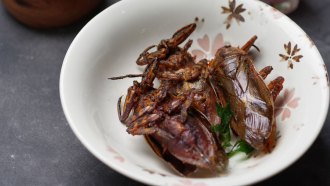
Teens work to keep giant water bugs on the menu
Many culinary cultures around the world prize these nutritious and flavorful insects. New approaches may help giant water bug farming efforts.
- Tech
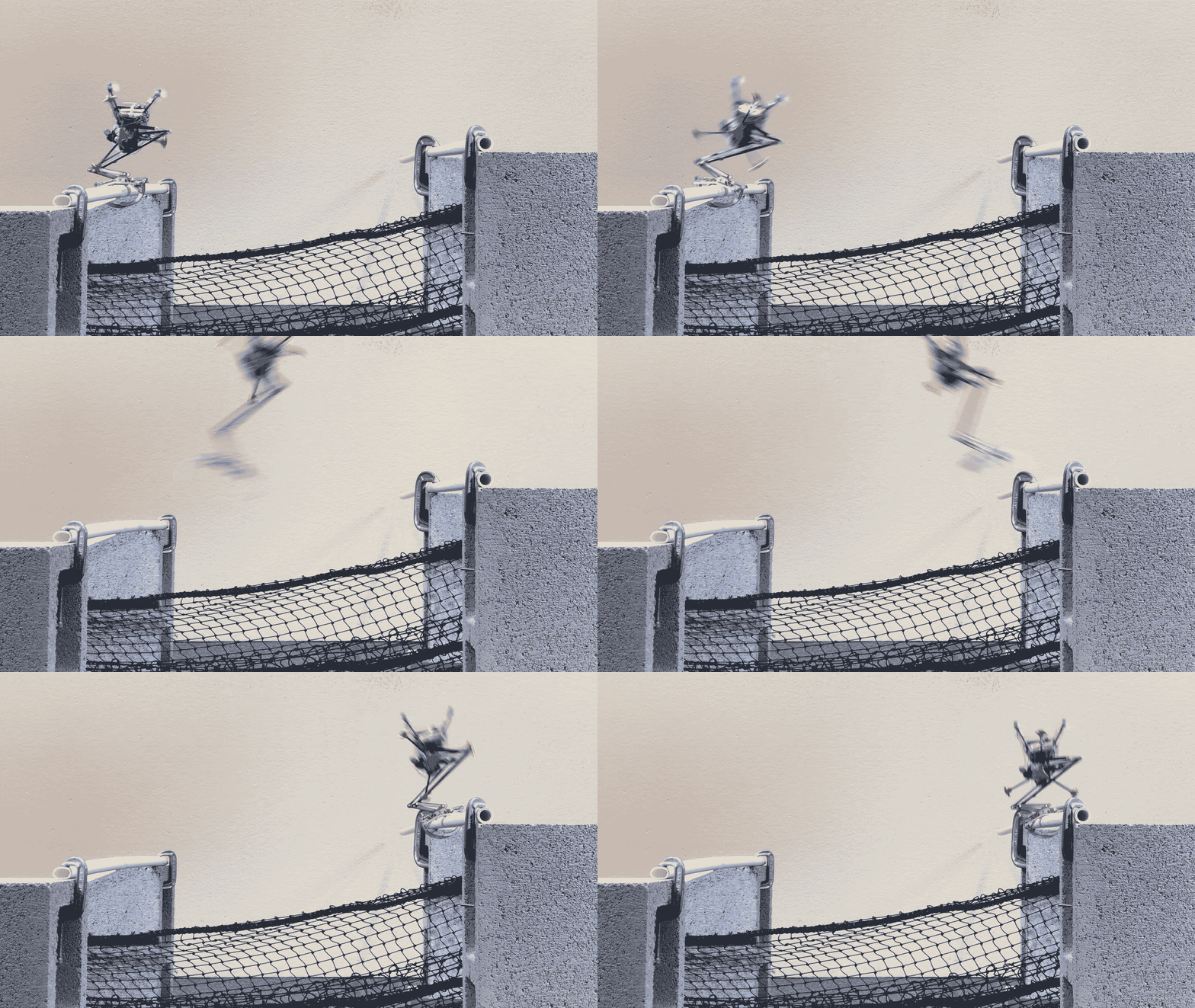
This squirrel-like robot has some serious hops
Salto the jumping robot has a claw-like gripper. Like a squirrel, it can adjust its movement to help it stay balanced to stick a landing on "branches."