All Stories
- Animals
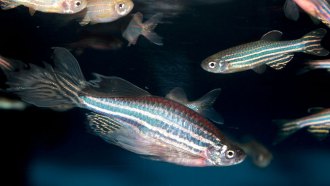
These fish yawn — and it’s contagious
Zebrafish are the first cold-blooded animals known to behave this way. Contagious yawning may affect other behaviors in these fish, too.
- Earth
Scientists Say: Heat dome
Typically, weather enters an area, storms through, then leaves. Here's what happens when steamy summer air gets stalled.
- Planets
Perseverance took the first picture of a visible aurora on Mars
A faint yet visible aurora has been spotted on Mars. It’s the first such light show seen from another planet's surface.
- Physics
Can you Manu? It’s the science-backed way to max your splash
Forget belly flops and cannonballs. Manu jumps — pioneered by New Zealand’s Māori and Pasifika communities — make the biggest blasts.
- Microbes
Experiment: Yeasty beasties
It’s hard to believe a packet of dry yeast is full of living things. But feed the yeast the right things, and presto! You’ve got bubbly, oozing mess of life.
- Animals
Whale pee is an ocean bounty
Some migrating cetaceans move thousands of miles to their breeding grounds, where whale urine fertilizes ocean waters with valuable nutrients.
- Plants
A genetic trick leaves these stinky plants reeking of rotting flesh
This DNA tweak in plants harnesses the same molecule behind our bad breath and transforms it into something worse: the stink of rotting flesh or dung.
-
- Animals
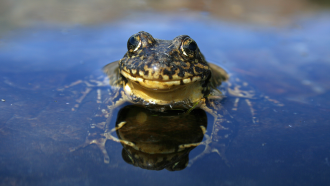
Analyze This: Moving frogs to new places helped an endangered species spread
Frogs resistant to a deadly fungus jump-started populations in these new areas.
- Physics
Can a supervillain destroy the sun?
Although our sun is a dwarf yellow star, it’s more than massive enough to weather any attempts to alter it — super or otherwise.
- Brain
Mice show us why food poisoning is so hard to forget
Working with mice, scientists have mapped a brain pathway that links an unfamiliar flavor with later food poisoning symptoms.
- Artificial Intelligence
This researcher investigates the risks of digitally cloning the dead
Katarzyna Nowaczyk-Basińska investigates the risk of AI-driven grief bots — while commuting between Poland and England.