All Stories
- Chemistry
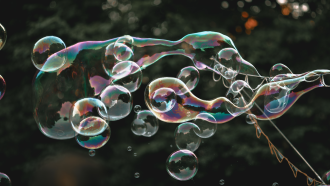
Experiment: Blow the best homemade bubbles
What’s the best recipe for blowing the most impressive bubbles? Let’s find out.
- Brain
Brain cells that make you feel full also make you crave dessert
If you want a sweet treat when you feel full after a big meal, blame your brain. Tests in mice and people suggest that the same cells signal satiety and a hunger for sugar.
- Health & Medicine
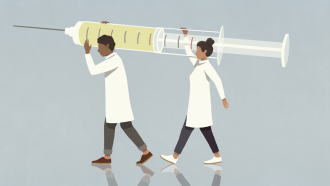
Let’s learn about vaccines
These medical treatments have saved millions of lives and spared many others from seriously unpleasant infections.
- Animals
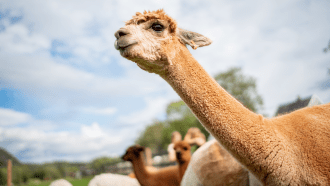
Sheep, llamas and goats fall for optical illusions too
These findings could help reveal when and why falling for optical illusions evolved in animals.
- Brain
Parakeets talk using brain areas similar to ours
Brain activity during vocalizing in small parrots — called budgerigars or parakeets — shows a similar pattern to what’s seen in people.
- Materials Science
This electric ‘slime’ might help injuries heal faster
Our bodies call in healing cells with an electrical signal. When stretched or squeezed, this gel makes electricity that could boost that alert.
- Animals
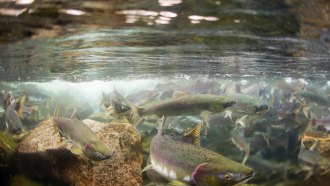
Freshwater fish are in trouble: Here’s how we can help them
Human activities threaten the survival of many freshwater fish species. Research is now pointing to how we can best overcome those threats.
- Chemistry
A new map of Africa sheds light on the origins of enslaved people
Mapping the element strontium across the continent is helping track down the birthplaces of enslaved Africans brought to the Americas.
- Plants
For some trees, acting as lightning rods helps them survive
Being struck by lightning is usually bad. But for one tropical tree, a mighty zap can kill rivals and parasitic vines.
- Tech
Soft helpers and bio-inspired tech: a match made in robot heaven
Hugging toys offer emotional support to anxious kids and slithering snake-like robots may bring rescue aid to people trapped in dangerous conditions.
- Space
Scientists Say: Interstellar medium
Radiant energy and primordial space dust span the vast reaches between star systems.
- Health & Medicine
Nearsighted? Teens’ benefits from special contacts can be lasting
Multifocal contact lenses stop the progression of myopia — and the benefits can last even after use of these special lenses ends.