Uncategorized
- Chemistry
Scientists Say: Toxin
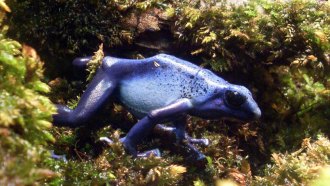
It is safe to refer to any poison as toxic. But while all toxins are poisonous, most poisons are not toxins.
- Computing
Clear, stretchy sensor could lead to wearable electronics
Researchers have combined plastics and metal to make a transparent, stretchable sensor. It could soon find use in touchscreens, wearable electronics and more.
- Animals
Snout goo may help sharks sense prey
Scientists may be one step closer to understanding how sharks sense their prey. Pores on their snout and face are lined with a gel that may help relay electrical currents created by prey’s movements.
- Earth
Earth’s tectonic plates won’t slide forever
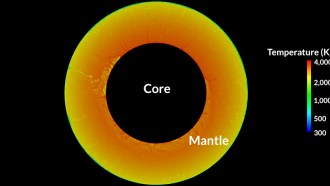
Earth’s surface morphs, owing to the movement of its tectonic plates. But those plates didn’t use to move so quickly. And in a few billion years they’ll grind to a halt, new research suggests.
- Chemistry
Scientists Say: Cyanide
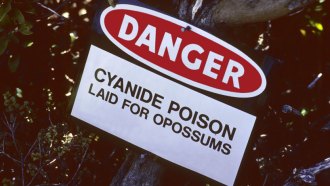
Cyanides are poisonous. But they are more than that. This group of compounds is used in everything from mining to capturing fish.
- Planets
Juno’s knocking on Jupiter’s door
The Juno spacecraft will peer into Jupiter’s clouds and fly in close to its monstrous auroras.
- Animals
Leapin’ eels! Video shows they attack with zaps
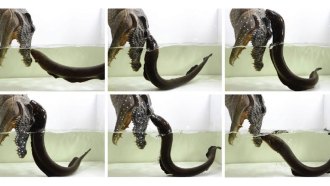
When a predator threatens an electric eel from above, the animals leap up to deliver a shocking defense.
- Climate
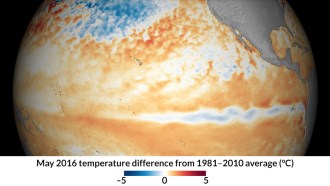
Last year’s strong El Niño is gone. Next up: La Niña
The 2015 to 2016 El Niño was one of the three strongest on record. It’s now over. Climate experts now predict a La Niña is on its way.
- Climate
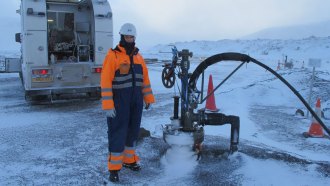
Volcanic rocks can quickly turn pollution into stone
A test program in Iceland injected carbon dioxide into lava rocks. More than 95 percent of the gas turned to stone within two years.
- Animals
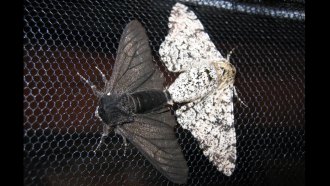
How a moth went to the dark side
Peppered moths and some butterflies are icons of evolution. Now scientists have found a gene responsible for making them so.
- Animals
The turning of wolves into dogs may have occurred twice
The process of turning wolves into dogs, called domestication, may have occurred twice — in the East and the West — ancient DNA suggest.
- Animals
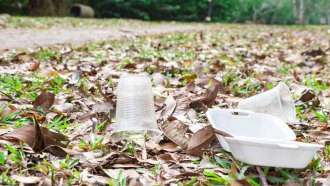
Teens use science to worm through plastic waste
Some beetle larvae can eat plastic, which might be good for our pollution problem. But which types eat the most can vary a lot, these young scientists find.