Uncategorized
- Climate
Zapping clouds with lasers could alter Earth’s climate
Scientists zapped ice crystals in a lab. They were exploring whether this approach might be used to break those crystals in clouds — potentially as a way to cool Earth’s fever.
- Space
Biologist Kate Rubins is headed to space
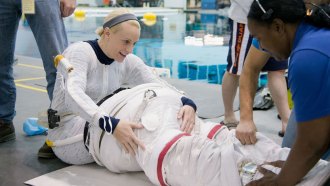
Molecular biologist and astronaut Kate Rubins has spent 7 years preparing for a mission to the International Space Station. She blasts off this month.
- Computing
‘Couch potatoes’ tend to be TV-energy hogs
Many government programs urge people to save electricity by using more efficient TVs. Here’s why these programs should target “couch potatoes.”
- Chemistry
The newest elements finally have names
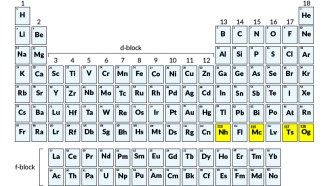
Nihonium? Tennessine? These aren’t body parts or medicines. They’re among the names just given to the four newest superheavy elements.
- Archaeology
Neandertals: Ancient Stone Age builders had tech skills
Neandertals built stalagmite circles in a French cave 176,500 years ago. These structures show that these ancient human cousins had social and technical skills.
- Planets
The ultimate getaway — visiting the Red Planet
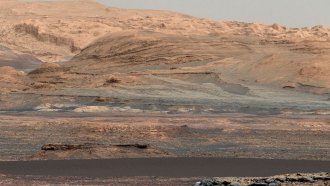
At a recent summit, experts discussed the challenges of a human mission to Mars — and how to land a crew there within 20 years.
- Chemistry
Scientists Say: Acidification
When a solution becomes more acidic, it’s acidifying. And that’s not always a good thing.
- Animals
Why some frogs can survive killer fungal disease
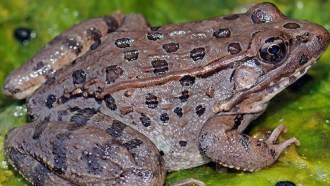
A disease is wiping out amphibian species around the globe. New research shows how some frogs develop immunity.
- Physics
Spinning black holes may ‘sing’ during a collision
The massive black hole in the movie Interstellar would create a unique gravity-wave signal when gobbling a smaller partner.
- Health & Medicine
Helping MS patients get a grip on things
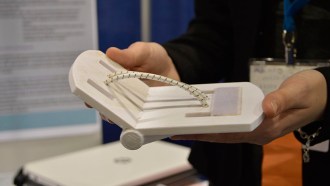
An Irish teen has invented a device that helps people with multiple sclerosis address the “clenched fist” symptom that afflicts most such patients.
- Climate
This planet’s lightning storms are like nothing on Earth
Radio waves from a faraway exoplanet could signal intense lightning storms there.
- Animals
Uh oh! Baby fish prefer plastic to real food
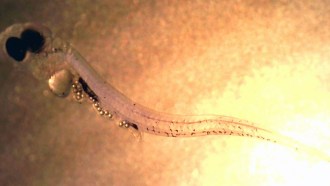
Given a choice, baby fish will eat plastic microbeads instead of real food. That plastic stunts their growth and makes them easier prey for predators.