Uncategorized
- Animals
The turning of wolves into dogs may have occurred twice
The process of turning wolves into dogs, called domestication, may have occurred twice — in the East and the West — ancient DNA suggest.
- Animals
Teens use science to worm through plastic waste
Some beetle larvae can eat plastic, which might be good for our pollution problem. But which types eat the most can vary a lot, these young scientists find.
- Physics
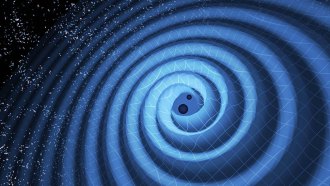
Gravity waves are seen again
Four months after scientists announced the first detection of gravity waves, another set of ripples in spacetime have emerged. The new ones come from the clash of mid-size black holes in the distant universe.
- Space
Scientists Say: Wormhole
Scientists have predicted the presence of tunnels in space that connect two points in space and time. They are named for the shape they resemble.
- Science & Society
Cave holds earliest signs of fire-making in Europe
Ancient burned bone and heated stones in a Spanish cave are the oldest evidence of ancient fire-making in Europe.
- Animals
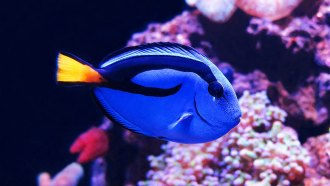
Catching ‘Dory’ fish can poison entire coral reef ecosystems
More than half of saltwater-aquarium fish sold in the United States may have been caught in the wild using cyanide, new data show.
- Health & Medicine
Adult diseases may be linked to childhood weight
Danish scientists find that very overweight kids grow up with a heightened risk of colon cancer and stroke.
- Climate
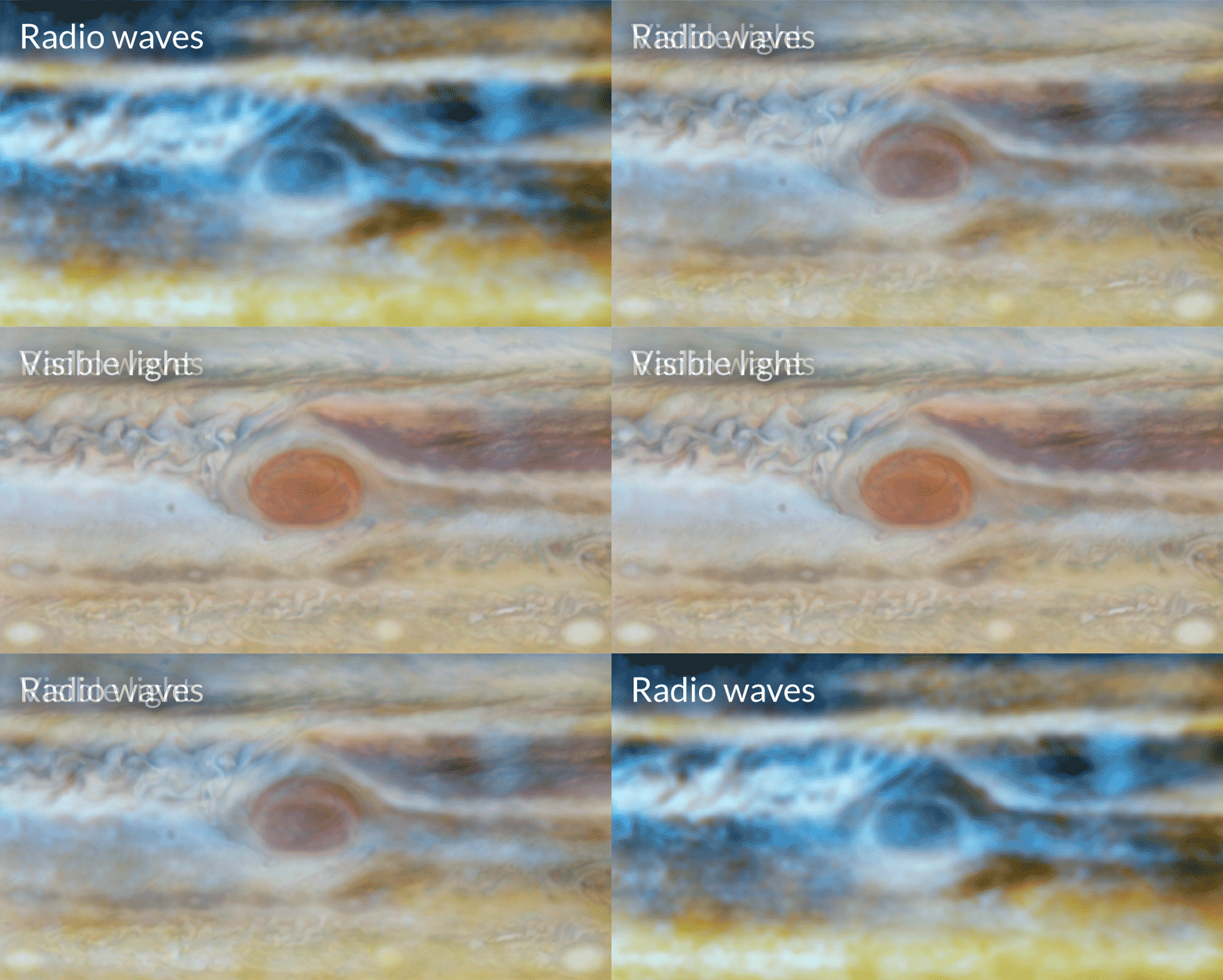
Jupiter’s stormy weather runs deep
Jupiter is covered in swirling storms. A new 3-D map of the planet’s atmosphere shows those storms start far, far below the clouds.
- Physics
Cool Jobs: Solar sleuthing
No star is closer than the sun, and yet there’s much science still don’t know about how it actually works. These scientists are helping solve the mysteries.
- Earth
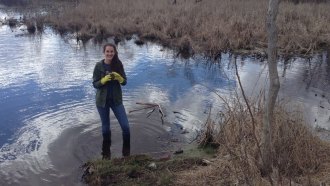
Fighting big farm pollution with a tiny plant
Fertilizer runoff can fuel the growth of toxic algae nearby lakes. A teen decided to harness a tiny plant to sop up that fertilizer.
- Chemistry
Concrete science
Teen researchers are exploring ways to strengthen this building material, use it for safety purposes and use its discarded rubble.
- Physics
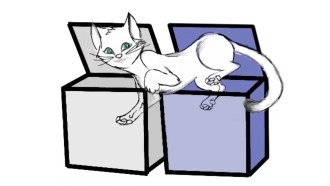
Famous physics cat now alive, dead and in two boxes at once
Splitting Erwin Schrödinger’s famous — and fictitious — cat between two boxes brings scientists one step closer to building quantum computers from microwaves.