Fog — it’s alive!
These low-lying clouds host microbes, some of which can remove toxic air pollutants
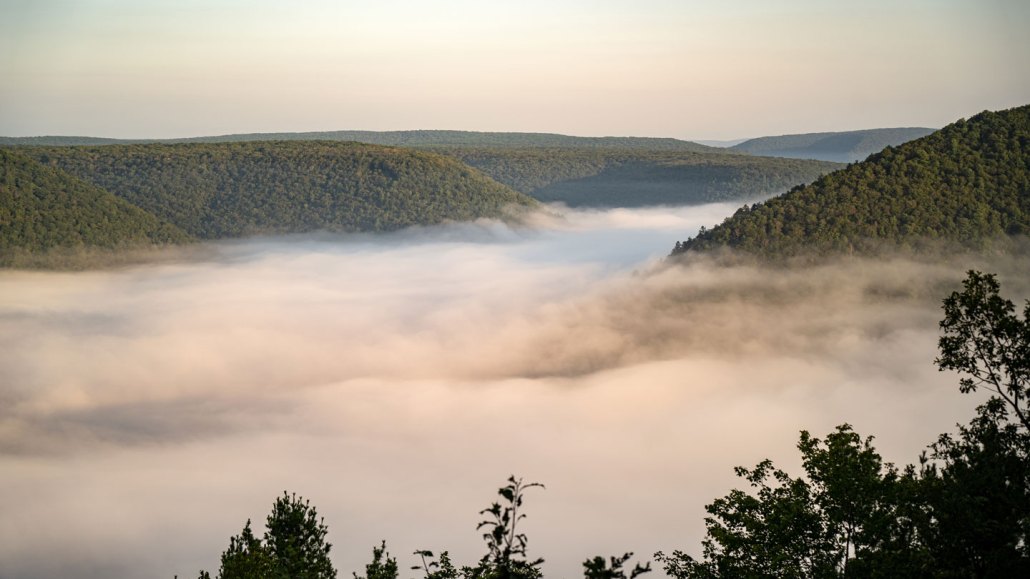
Fog can serve as a moist — if temporary — habitat for bacteria in the air. Some of the species found living in fog-water droplets can break down pollutants, such as formaldehyde, a new study finds.
Shawn Grenninger/500 px/Getty Images Plus
This is a human-written story voiced by AI. Got feedback? Take our survey . (See our AI policy here .)
A bank of fog might seem gloomy. But that mist may carry an unexpected community of environmental helpers. Ground-dwelling clouds can house bacteria that clean the air, a new study finds.
Microbes can find air a harsh place, notes Kathleen Weathers. Temperatures can fluctuate broadly. And even in fog, there can be a high risk of drying out. A fog scientist, Weathers works at the Cary Institute of Ecosystem Studies in Millbrook, N.Y. But, she adds, fog hosts many things needed for those microbes to “make a living.” These include moisture, nutrients and comfortable temperatures.
Yet until now, scientists hadn’t known microbes could actually live there, says Weathers, who did not take part in the new work.
It took Thi Thuong Thuong Cao, a chemist who loves hiking on foggy mountainsides, to show microbes not only can live in fog, but also grow and reproduce.
Collecting clouds
As a chemist, Cao wondered what might be inside fog droplets. At first, she focused on their chemistry. Soon, though, she teamed up with other scientists to see what microbes might hitchhike in fog — and what they might be doing.
At the time, Cao was a graduate student at Arizona State University in Tempe. Part of her team traveled to Pennsylvania, where another team member was based. The area had great spots to collect fog.
This team focused its hunt on a special type of low-lying cloud: radiation fog. It forms at night when the ground cools and then lowers the air’s temperature. Cooler air can’t hold much water. So it sheds the excess into the air as small droplets, creating fog.
Radiation fog doesn’t roll in. Instead, it forms in place. So any microbes should be local, not ones carried in from elsewhere.
Over about two years, the team collected samples of water from 32 “fog events.” They used a device called a cloud-water collector. It pulls air into a chamber containing strings.
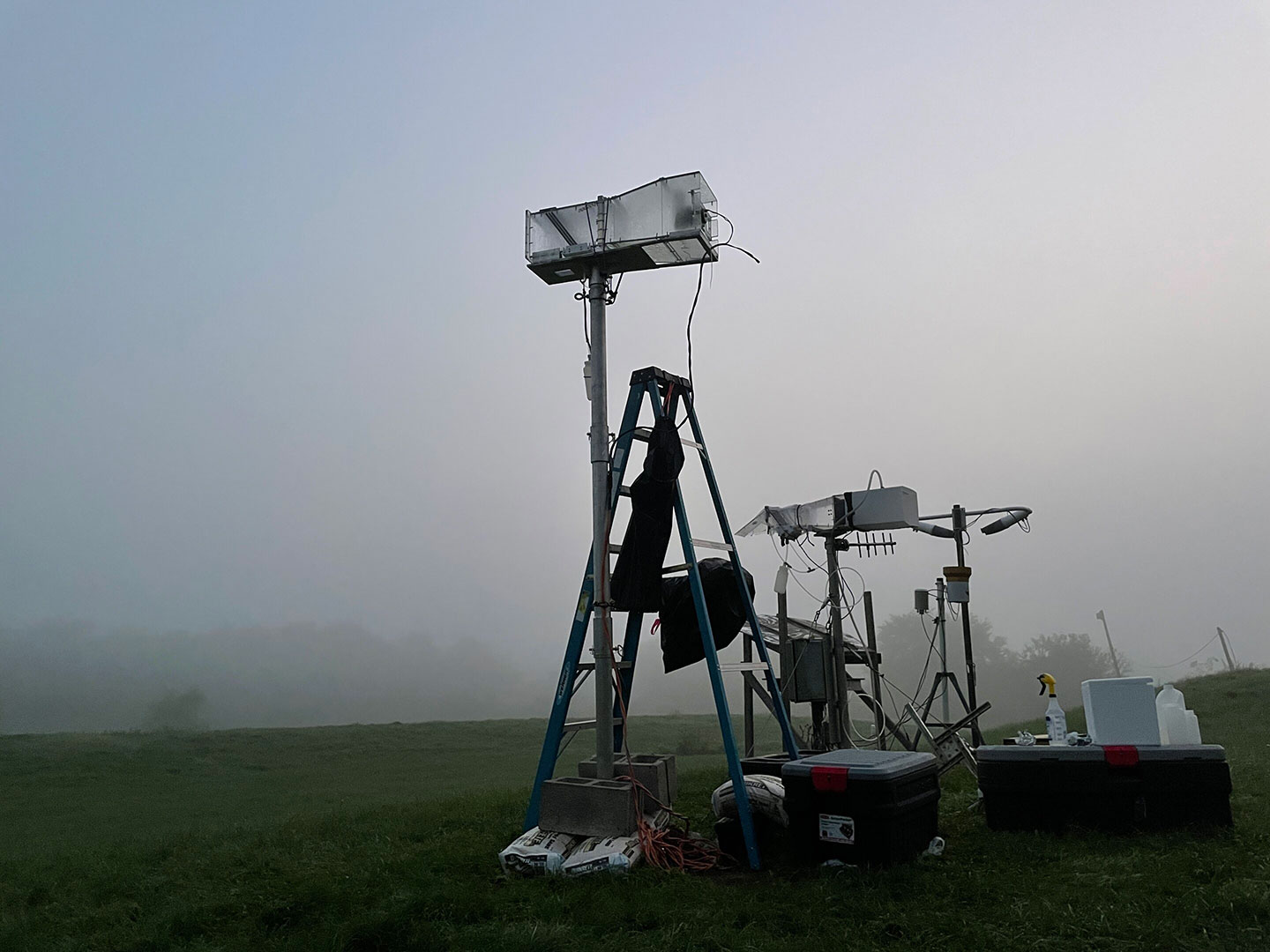
As fog condenses on the strings, it forms droplets that drip into a bottle below. The scientists collected up to 200 milliliters (about 7 ounces) of fog water per event. That’s roughly the volume of a juice box. They also collected samples of the air in between the fog droplets. They trapped similar air samples before and after fog events.
The fog samples housed a multitude of microbes. In fact, fog water is about as densely populated with microbes as ocean or lake water. When examined under a microscope, many fog-water microbes seemed to have been dividing when they were collected. That led the researchers to conclude the microbes had been growing in the fog.
Next, the team extracted the fog-dwellers’ RNA, a type of genetic information. Cao’s team compared these types of genetic maps to those in a database on known microbes. That helped them identify the fog’s inhabitants.
An average of 188 unique genetic patterns showed up in each fog event. Each represented a unique type of bacteria. The communities of microbes present were similar across all fog samples. But they differed quite a bit from those found in air without fog.
Cao and her team shared their findings in mBio on May 22.
Do you have a science question? We can help!
Submit your question here, and we might answer it an upcoming issue of Science News Explores
Turning pollution into food
Their analyses showed Methylobacterium was the most abundant microbe in fog water. It accounted for up to half of all microbes present.
To grow in fog, the team reasoned, those Methylobacteria must have found something in it to eat. This microbe is known to consume carbon-containing chemicals, such as formaldehyde.
Formaldehyde is a common and toxic air pollutant. Breathing it can cause harm. Some formaldehyde comes from natural sources, such as rotting plant materials. Human activities, such as construction and burning fossil fuels, also release it. It’s even one of the chemicals that makes cigarette smoke harmful.
Methylobacteria are well suited for dealing with this chemical, Cao says. “They can survive formaldehyde at a concentration higher than other bacteria [can].” They break it down hundreds of times faster than other microbes, too.
Her group measured formaldehyde in freshly collected fog water. Over several hours, levels of the chemical fell surprisingly fast.
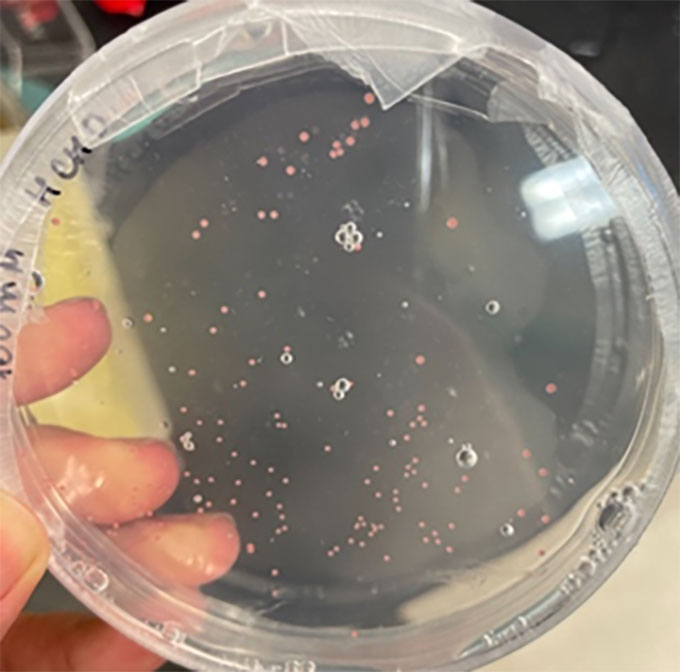
The researchers also isolated Methylobacterium from fog water and then grew it on its own. These bacteria were able to quickly remove formaldehyde when exposed to an artificial fog water containing the chemical.
It disappeared so quickly, in fact, that the bacteria couldn’t have used it all for growth. The microbe may break the chemical down as well as eat it, the team concludes. Such a strategy might keep formaldehyde from reaching toxic levels.
This all seems to confirm Methylobacterium can remove formaldehyde from fog. The researchers don’t yet know how the bacteria might affect air quality. But their new data now point to fog as a potential ecosystem.
Fog can transport water and microbes across a landscape. These data now suggest that as it does, it may play a role in shaping the chemistry of the environment.