Let’s learn about venom
The toxic substance can pack a deadly punch
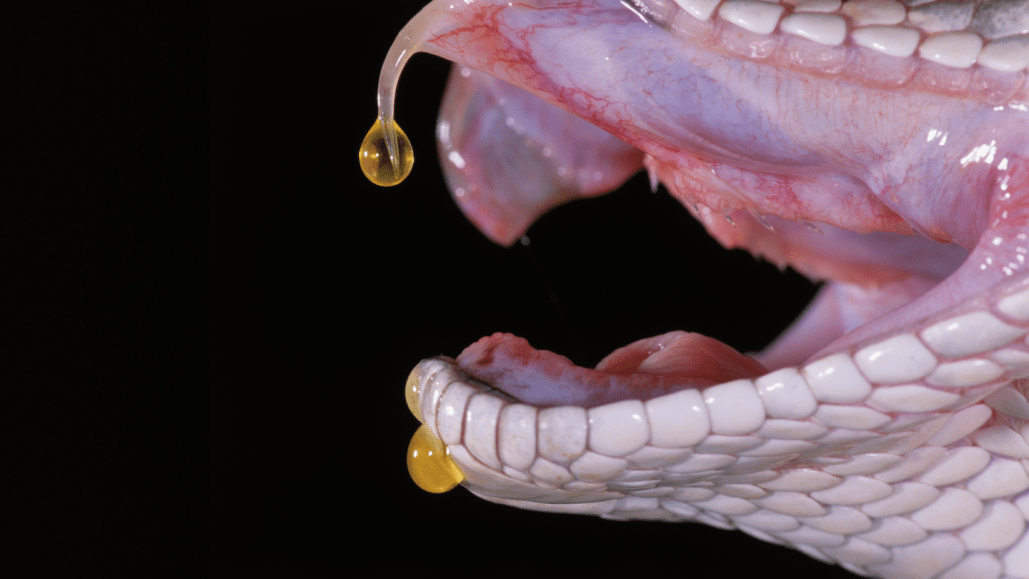
About 600 snake species are venomous. Pictured here is a venomous prairie rattlesnake. But snakes are not the only animals with potent potential. From sea urchins to platypuses, lots of animals produce venom.
McDonald Wildlife Photography Inc./Getty Images
Share this:
- Share via email (Opens in new window) Email
- Share on Facebook (Opens in new window) Facebook
- Share on X (Opens in new window) X
- Share on Pinterest (Opens in new window) Pinterest
- Share on Reddit (Opens in new window) Reddit
- Share to Google Classroom (Opens in new window) Google Classroom
- Print (Opens in new window) Print
Venom packs a vicious and often deadly punch. A potent, venom-laced bite can unleash a rapid storm of gory symptoms. They include paralysis, rotten flesh and even organ failure. Snakes may be the most famous venomous creatures. Snakebites cause an average of 100,000 deaths worldwide each year. But throughout the animal kingdom, critters on land and sea can produce this toxic tool.
Venom is a toxic secretion that some animals release with a bite, poke or sting. That delivery method is the key difference between venom and poison. Venomous animals inject their toxins with a puncture wound. They might use teeth, fangs, spikes, spurs or stingers. Poisonous animals, on the other hand, are usually harmful only when eaten or touched.
Venomous species include snakes, fishes, spiders, lizards and insects. Marine invertebrates, such as corals or sea urchins, also produce venom. Even some mammals are venomous. Male platypuses have venom-injecting spurs on their feet that they use to stab their prey.
Most venom is a mix of toxic enzymes and proteins. The mixture varies from species to species, as do the effects. Venom that has neurotoxins, for instance, might paralyze prey or make it twitch and shake violently. Hemotoxins damage blood vessels, causing blood clots or internal bleeding. Some venom sparks aggressive allergic reactions. Prey might break out in blisters or experience severe inflammation.
Symptoms set in and worsen quickly. Within hours, venom can cause complete paralysis, loss of limbs or extremely painful death. Antivenom can be used to reverse such damage. This type of medicine contains antibodies that bind to toxins. This triggers an immune system response that can destroy the harmful substance.
Antivenom has historically been created by injecting small doses of a venom into an animal like a horse or sheep. The animal’s immune system creates antibodies in response. Later, blood or plasma samples are taken from the animal to extract the venom-fighting antibodies.
But now researchers are also developing antivenom in labs. One team used artificial intelligence to design toxin-targeting proteins that act like antibodies. In mice, the AI-designed proteins saved lives.
It’s important to know how to identify the venomous critters near the places you live or visit. Staying on trails and giving animals lots of space is a good way to stay safe. Most animals use venom to hunt or defend themselves. Remember, if you leave it alone, it will probably leave you alone too.
Want to know more? We’ve got some stories to get you started:
Multiple-snake antivenom comes from blood of man bitten 202 times Antibodies in his blood neutralize lethal toxins from 13 types of snakes — in mice, anyway. (7/29/2025) Readability: 7.3
AI-designed proteins target toxins in deadly snake venom In lab tests, those proteins were able to save mice from a lethal dose of snake toxin. (3/24/2025) Readability: 6.5
Cool Jobs: Finding new uses for nature’s poisons Scientists use deadly compounds to fight germs and pests. (10/9/2015) Readability: 7.6
Explore more
Explainer: What are antibodies?
Here’s a spider whose barf is worse than its bite
Can’t touch this: Unusual venomous creatures
Watch how a western banded gecko takes down a scorpion
Spiders’ weird meals show how topsy-turvy Amazon food webs can be
Activities
Curious how animals like snakes and spiders make venom? This podcast featuring a venom expert has the scoop on how to stay safe around these critters.
Still not sure what makes something venomous versus poisonous? Find out more about specific species that pack potent punch in this video from The Brain Scoop at the Field Museum in Chicago.