Cells
- Life
A new spin on lab-grown meat
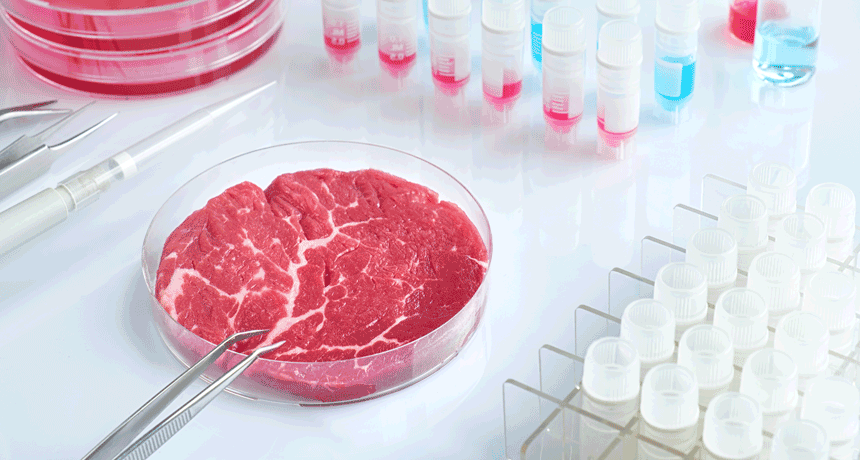
A technique inspired by how cotton candy is spun could help produce lab-grown meat at a lower cost and on a bigger scale.
- Life
Scientists Say: RNA
This is a molecule that helps cells make proteins from the instructions encoded in DNA.
- Health & Medicine
Medicine Nobel honors discovery of how cells deal with oxygen
Three researchers figured out the chemical processes by which cells not only sense, but also cope with, differing levels of oxygen. This could lead to new medicines.
- Brain
Lasers make mice hallucinate
Scientists used a technique called optogenetics to make mice “see” vertical or horizontal lines that didn’t actually exist.
- Health & Medicine
Measles can harm a child’s defense against other serious infections
Getting the measles can leave the body vulnerable to other infections months or even years later, scientists are finding.
- Life
Scientists Say: Mitosis
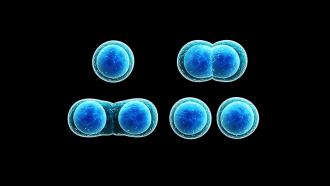
Mitosis is a type of cell division where one cell divides into two identical copies, called daughter cells.
- Brain
High fat diet removes brain’s natural brake on overeating
At least in mice, high-fat diets promote overeating. And the problem appears to trace to changes that these foods make to cells in an appetite-control center within the brain.
- Life
Teens swipe a door handle and find an antibiotic
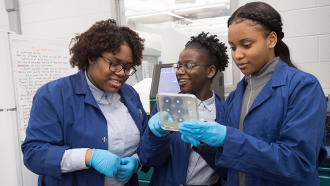
Three teens swabbed a smartphone, a door handle and a hand dryer. The new bacterium they turned up can kill other types of germs.
- Animals
In a first, scientists keep cells alive in the brains of dead pigs
They’re not true zombies — but these pig brains showed signs of cellular life long after the animals had died.
- Animals
Bears that eat human ‘junk food’ may hibernate less
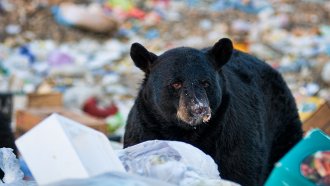
Wild black bears snacking on leftovers of sugary, highly processed foods show possible signs of faster cellular wear.
- Life
Explainer: Prokaryotes and Eukaryotes
Prokaryotes tend to be small and simple, while eukaryotes have embraced a highly organized lifestyle. These divergent approaches to life have both proved very successful.
- Health & Medicine
What’s behind frequent strep throat? Consult the tonsils
A faulty immune response might explain why some kids get strep throat often, new data show. Another problem: The diagnosis may a case of mistaken identity.