Earth and Human Activity
- Animals
Common parasite may help mussels survive heat waves
By whitening shells, the organism helps the shellfish stay cool on sunny days, a new study suggests.
- Materials Science
‘Smart’ pasta morphs into fun shapes as it cooks
The trick to this shape-shifting are grooves cut into the raw pasta. Those grooves affect how the noodles swell as they cook.
- Environment
Pond scum can release a paralyzing pollutant into the air
New study finds blooms of blue-green algae can seed the air with a poisonous pollutant.
- Environment
Warning: Wildfires might make you itch
Western wildfires are on the rise due to climate change and land use. Now a study adds eczema to the list of health risks that smoke might trigger.
- Climate
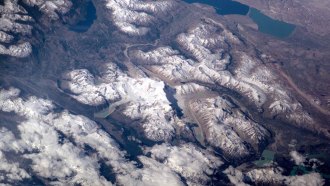
Climate may have sent drift of the North Pole toward Greenland
This mid-1990s shift in the pole’s movement was driven by glacial melt. And that was triggered in part by climate change, a new study reports.
- Animals
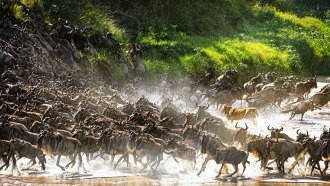
Only 3 percent of Earth’s land is unchanged by people
A sweeping survey of land-based ecosystems finds that very few still support all the animals they used to. Reintroducing lost species could help.
- Agriculture
New technologies might help keep drought-prone farms green
After learning how much damage drought can do to crops, two teens designed ways to detect a thirsty plant and make sure it gets enough water.
- Climate
Local glacier could be gone in a decade, young scientist finds
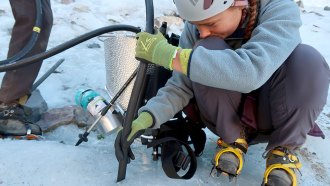
A teen calculated the volume of a glacier by drilling into it with jets of steam — then used that to estimate how long before all its ice will be gone.
- Life
No animal died to make this steak
The ribeye steak is the first of its kind, and the latest in a growing list of meats printed with a 3-D bioprinter instead of being harvested from an animal.
- Health & Medicine
New robots can clean virus-laden surfaces so people won’t have to
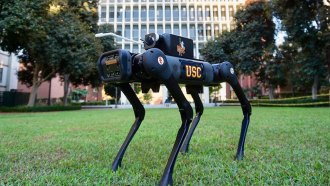
Smart and nimble cleaning robots will soon help disinfect spaces. They twist and bend to hit hard-to-reach spaces with UV light or cleansing sprays.
- Earth
Here’s how lightning may help clean the air
Airplane observations show that storm clouds can generate huge quantities of air-cleansing chemicals known as oxidants.
- Animals
Analyze This: Invasive species cost the world billions each year
A new study estimates that invasive species have cost the world more than $1 trillion since 1970. That’s almost certainly an underestimate.