Earth and Human Activity
- Ecosystems
What you can do to improve soils
Soils are the life-sustaining structures under our feet. Here are some tips for keeping soils healthy. First rule of thumb: Give more than you take.
- Chemistry
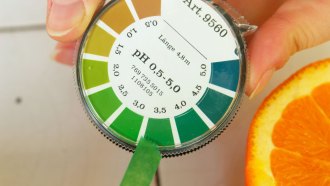
Let’s learn about acids and bases
Acids give away particles with positive charge. Bases accept positively charged particles. They are both critical for chemical reactions.
- Climate
Can wildfires cool the climate?
Severe wildfires are becoming more common. Science is showing that the tiny particles they release into the air can alter Earth’s temperature — sometimes cooling it.
- Earth
Explainer: What are aerosols?
We may not see them, but tiny particles and droplets cloud the air, affecting its properties. Some may be pollutants, others all-natural products.
- Climate
Analyze This: 2020 ties with 2016 for hottest year on record
Last year capped the warmest decade on record. It coincided with a growing increase of warming greenhouse gases in Earth’s atmosphere.
- Environment
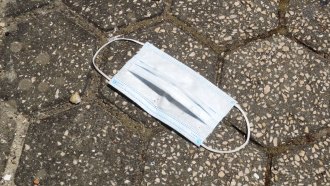
Unmasking the pandemic’s pollution problem
Discarding all the materials people use to protect themselves from COVID-19 has created a growing environmental problem.
- Chemistry
A new catalyst turns greenhouse gas into jet fuel
The catalyst is an improvement over its predecessors. Made of cheap materials like iron, it produces jet fuel in a single step.
- Ecosystems
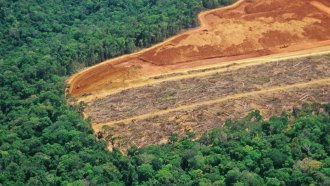
Can people protect as much space as nature needs?
To save biodiversity, nations are drafting a plan to protect 30 percent of Earth by 2030. Up for debate is how best to do that.
- Agriculture
Dew collector brings water to thirsty plants
This invention grabs water from the air at night. All it needs is the sun’s warmth the next day to release that moisture to growing plants.
- Animals
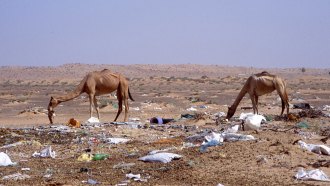
Camels have been dying after mistaking plastic for food
Plastic waste has been building up in the guts of some camels. It may now be killing off one percent of them in the United Arab Emirates each year.
- Earth
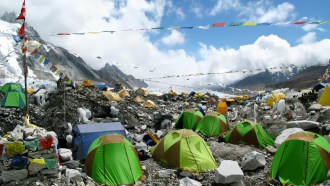
Analyze this: Microplastics are showing up in Mount Everest’s snow
Microplastics have made their way to the snow on Earth’s tallest peak. Most of the plastic likely comes from climbers’ equipment and clothes.
- Chemistry
A soil-based ‘concrete’ could make buildings green, even on Mars
A new soil-based material offers an alternative to concrete for 3-D printing environmentally friendly buildings.