Oceans
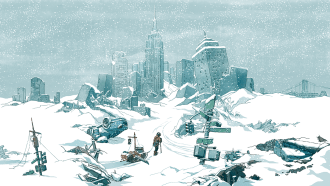
Are major ocean currents moving to turn Earth into a snowball?
A key ocean current that warms Europe is weakening, which could lead to a big chill. Scientists are now discussing how we might avoid that.
The climate pattern could bring “shockingly high” temps this winter, plus extreme weather. Some scientists are looking into an engineering “fix.”
This word describes land that sinks after water, minerals, oil or other materials are removed below ground.
Heavy plowing can impair water’s flow through the ground. The problem was found by “listening” to tiny seismic signals caused by rain infiltrating the soil.
One widely used “geoid” technique may have missed up to a century of sea level rise — so risks could hit millions of people far sooner than expected.
Scientists are testing whether plastic pollution from the ocean can be transformed into safe and durable highways.
Learning from the Earth's past climate swings — what happened to life and when — can help us understand where we might be headed.
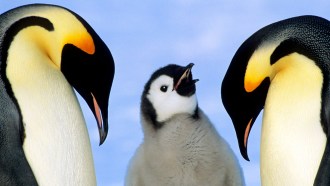
Along with Antarctic fur seals, these iconic birds, the largest of all penguins, are now endangered by their continent’s warming.
Light pollution in North American cities seems to be tricking plants into releasing pollen for longer periods each year.
Surviving Hurricane Katrina inspired Elliott White Jr.’s scientific journey to studying how humans and climate change impact wetlands.