Earth's Systems
- Climate
Distant pollution may intensify U.S. twisters
A new study of one of the deadliest U.S. outbreaks of tornadoes sees a possible role for smoke. In this analysis, the smoke had come from fires burning in Central America.
- Climate
Fast sea level rise is a very recent change
Sea levels have been rising for more than a century. But that rise is now speeding up. That suggests that what is driving the rise — climate change — also has increased dramatically in recent years.
- Earth
Dino double whammy
Most scientists think an asteroid helped kill off the dinosaurs. But new calculations suggest that asteroid might have gotten some help from a long series of volcanic eruptions in what is now India.
- Animals
Tar pit clues provide ice age news
New analyses of insects and mammals trapped in the La Brea Tar Pits point to climate surprises during the last ice age.
- Climate
The worst drought in 1,000 years
The 1934 drought, during a period in American history known as the Dust Bowl, was the worst in a millennium, a new study finds. While the drought had natural origins, human activities made it worse.
- Climate
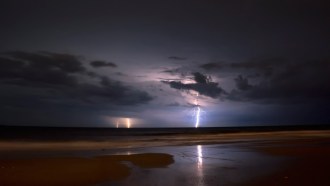
Lightning strikes will surge with climate change
Warming temperatures will lead to 50 percent more lightning strikes across the 48 U.S. states in the next century, researchers report. That increase could lead to more warming, more fires and even more deaths.
- Animals
When life exploded
Life exploded in diversity during the Cambrian Period. Experts are exploring what could account for this sudden change 540 million years ago.
- Earth
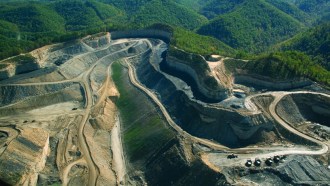
How people have been shaping the Earth
We are the dominant force of change on Earth. Some experts propose naming our current time period the ‘Anthropocene’ to reflect our impact.
- Earth
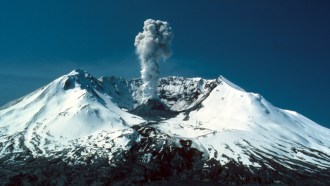
Explainer: The volcano basics
Here’s an overview of what they are, where they form and the many ways they pose dangers.
- Climate
Where will lightning strike?
When lightning strikes, the results can be deadly. But nature’s dazzling light show also can provide scientists with insights into when and where the next thunderbolt might strike.
- Physics
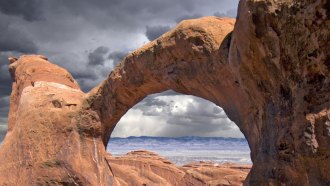
Bracing sand sculptures with gravity
Natural sculptures of sandstone withstand strong winds and rains. The reason, a new study concludes: Gravity holds the sand grains together.
- Fossils
Fossil hunting can start as child’s play
Paleontology isn’t just for professionals. You don’t even need to be a teen to sometimes make startling — and scientifically important — contributions.