From Molecules to Organisms: Structures and Processes
- Animals
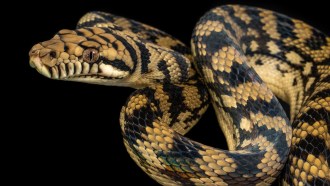
Physics explains how snakes climb and stand without limbs
Tree snakes can raise their body into the air without falling over. They keep their balance by bending their bodies close to their base.
- Health & Medicine
How pitchers rest between innings could save their arms — and stats
Focusing on muscle recovery during games could help keep pitch speeds high and injury risk low, one ISEF finalist finds.
- Health & Medicine
6 surprising science-backed ways to beat the heat
From a new hairstyle or burst of mint to how you decorate your windows, these research-backed tips and tricks can help you beat the heat to stay cool all summer long.
- Tech
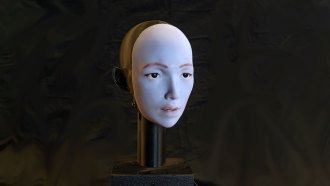
Would lip-synching make androids seem less creepy?
Robots that seem almost — but not quite — human can strike us as eerie. Improved lip motions might help overcome this “Uncanny Valley” effect.
- Psychology
How not to choke when performing under pressure
World Cup players can benefit from the emerging field of penalty kick psychology. It offers lessons for us all on how to perform best under pressure.
- Brain
Brain scans offer clues to why math is harder for some kids
Kids with math learning disabilities process number symbols differently than numbers shown as dots.
- Animals
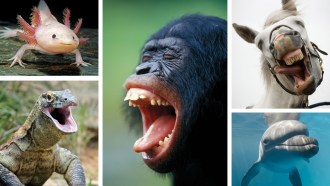
Animals can feel joy. Here’s how scientists might study it
Research has long focused on understanding negative emotions like fear in animals. Now they’re trying to measure positive feelings like joy. It’s a challenge.
- Health & Medicine
Scientists get smart about farts with new underwear sensor
It snaps into regular undies to measure releases of hydrogen gas. Rates vary widely, but 32 farts a day seems about average, early data suggest.
- Plants
Light pollution could be supercharging your pollen allergies
Light pollution in North American cities seems to be tricking plants into releasing pollen for longer periods each year.
- Humans
Let’s learn about adrenaline
In short bursts, this hormone can help you face your fears. But in the long run, too much of it can be unhealthy.
- Life
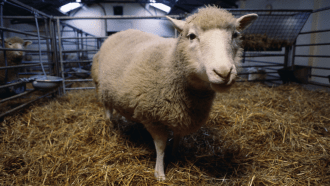
Scientists Say: Clone
This adaptable tech can help with everything from engineering medical microbes to preserving endangered species.
- Animals
This tool-using cow stunned scientists with her smarts
Veronika the cow scratches hard-to-reach body parts using a brush. This feat is forcing scientists to rethink which animals can use tools.