Animals
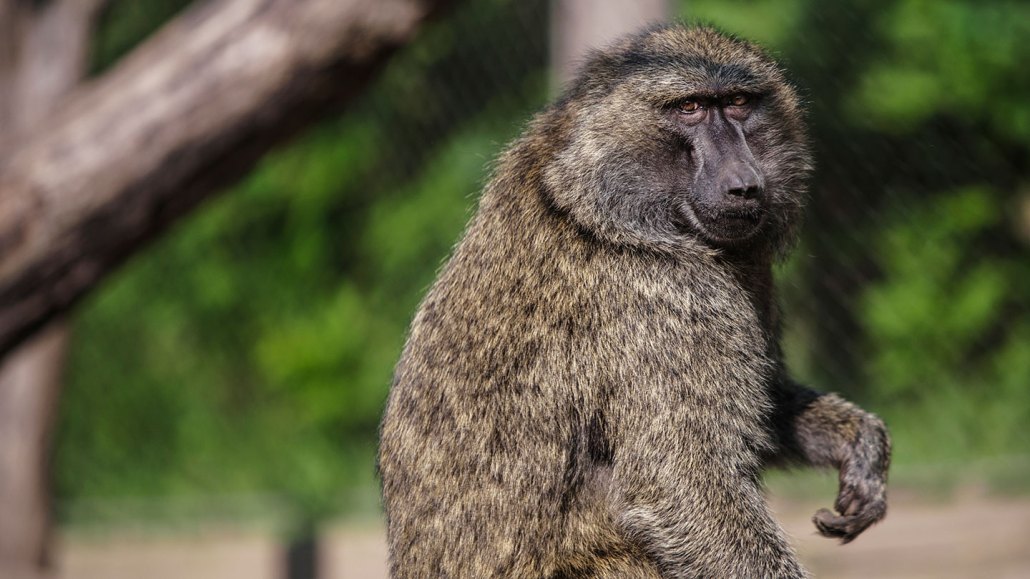
Monkeys might share our instincts for math
To show how monkeys think about math and shapes, scientists had them play games — including some designed by kids.
People exposed to low infrasound frequencies had higher levels of a stress hormone in spit and were more likely to rate music as sad.
The tiny cone-shaped structures in arms of chocolate-chip sea stars also triple their skeleton’s strength.
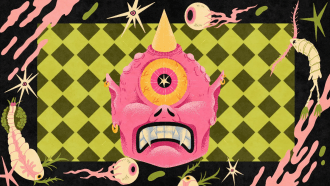
The iconic Cyclops of The Odyssey might look like a massive, one-eyed person, but it might have more in common with creatures other than humans.
Using AI to learn math concepts can boost understanding. But if used to get quick answers, AI can become a crutch that hurts learning.
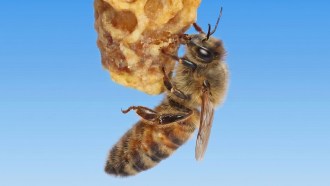
Worker bees build some ‘cribs’ with a special wax. It seems to turn larvae into royals — and challenges the idea that royal jelly was all it took.
This field of science identifies the environmental cues behind life cycle patterns.
Short for attention deficit/hyperactivity disorder, ADHD affects how people think, learn and process information.
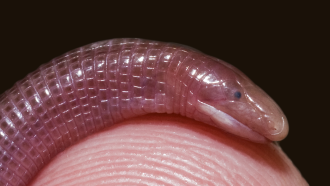
Little is known about these elusive soil-dwellers that resemble both worms and snakes.
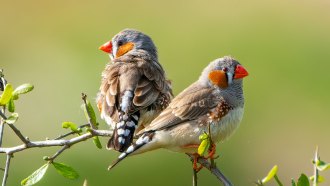
Adult finches make “heat calls” to their eggs when temps rise. Exposure to those songs trigger chicks' developing brains to change in ways that better handle heat.