HS-ESS3-6
Use a computational representation to illustrate the relationships among Earth systems and how those relationships are being modified due to human activity.
- Earth
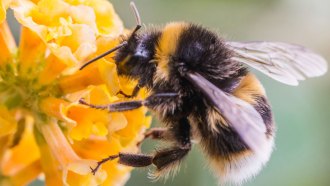
Non-scents: Pollution can confuse pollinators’ sniffers
New research uses computers to predict how much longer it takes bees and other pollinating insects to sniff out lunch in a polluted environment.
- Climate
Climate closing the gender gap for this mountain flower
Among valerian plants, males like it hotter than the females do. So a warming climate has been speeding their migration up once-cool mountainsides.
- Animals
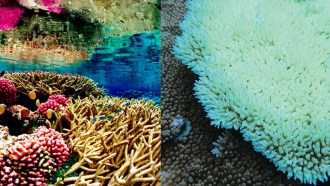
Current coral bleaching event is the longest known
Heat stress has led to the longest coral bleaching event on record. Scientists now worry that global warming may make such prolonged crises more frequent.
- Earth
Scientists Say: Plastisphere
As plastic floats in the ocean, it can acquire its own colony of microbes and algae. We call this ecosystem the plastisphere.
- Animals
Uh oh! Baby fish prefer plastic to real food
Given a choice, baby fish will eat plastic microbeads instead of real food. That plastic stunts their growth and makes them easier prey for predators.
- Health & Medicine
Heat sickness
Scientists worry that increasing temperatures could combine with air pollution to up rates of illness and premature death — perhaps dramatically.
- Animals
Pollen can become bee ‘junk food’ as CO2 rises
Increasing levels of the greenhouse gas are changing diminishing the food value of pollen, bees’ only source of protein.
- Environment
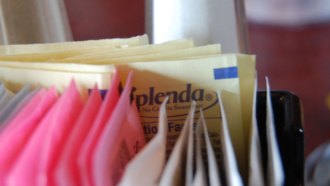
Not so sweet: Fake sugar found at sea
Sucralose — sold in stores as Splenda — has begun turning up in seawater. This raises concern about the fake sweetener’s impacts on the environment.
- Animals
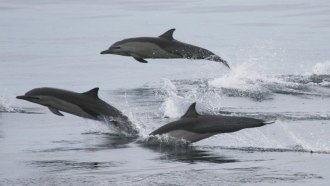
Using dolphins to find unknown ocean pollutants
Long-lasting pollutants may threaten marine mammals and human health. To find those pollutants, scientists are sampling blubber, then running the fatty material through new types of tests.
- Climate
Explainer: How scientists know Earth is warming
Scientists can calculate global temperatures, both present and past. Their findings show that the planet is rapidly heating up.
- Animals
Wildlife forensics turns to eDNA
Environmental DNA, or eDNA, tells biologists what species have been around — even when they’re out of sight or have temporarily moved on.
- Earth
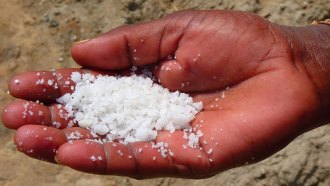
Table salt and shellfish can contain plastic
Bits of plastic have turned up in sea salts purchased in Chinese supermarkets. The finding suggests all sea salts may be similarly tainted. Shellfish too.