HS-ESS3-6
Use a computational representation to illustrate the relationships among Earth systems and how those relationships are being modified due to human activity.
- Climate
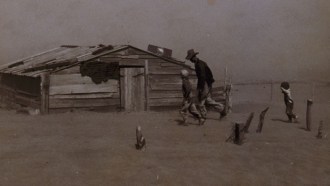
The worst drought in 1,000 years
The 1934 drought, during a period in American history known as the Dust Bowl, was the worst in a millennium, a new study finds. While the drought had natural origins, human activities made it worse.
- Animals
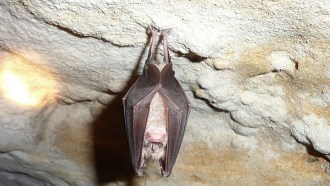
Scientists seek bat detectives
Bats emit high-pitched calls in the night to find their way around. A citizen science project is eavesdropping on these calls to probe the health of ecosystems.
- Climate
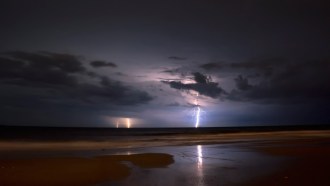
Lightning strikes will surge with climate change
Warming temperatures will lead to 50 percent more lightning strikes across the 48 U.S. states in the next century, researchers report. That increase could lead to more warming, more fires and even more deaths.
- Climate
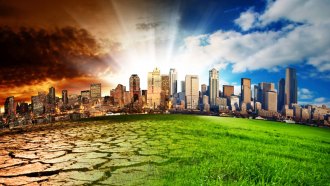
World leaders call for action on climate change
This week, the presidents of China and the United States pledged to take aggressive action on the release of greenhouse gases to head off dire worldwide climate effects.
- Earth
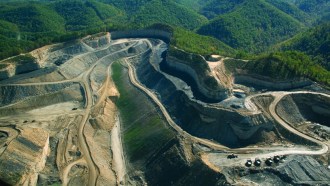
How people have been shaping the Earth
We are the dominant force of change on Earth. Some experts propose naming our current time period the ‘Anthropocene’ to reflect our impact.
- Animals
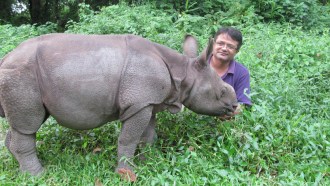
Rare as a rhino
Most species are rare. Some have always been rare. A problem develops when people are responsible for accelerating a species’ rarity to the point that extinction threatens.
- Microbes
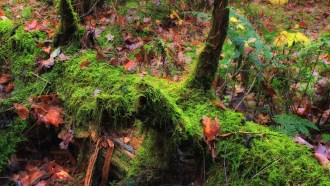
Recycling the dead
When things die, nature breaks them down through a process we know as rot. Without it, none of us would be here. Now, scientists are trying to better understand it so that they can use rot — preserving its role in feeding all living things.
- Earth
Mailing off my microbeads
I was shocked to find out that my face wash contains plastics that might possibly harm marine creatures. So I’m donating it to science.
- Agriculture
Your food choices affect Earth’s climate
Producing food can put a lot of climate-warming pollutants into the atmosphere. But some foods, especially meats, contribute more than others.
- Animals
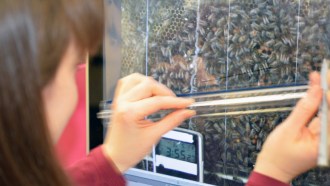
Decoding bee dances
Biologists have started eavesdropping on bees — or their dancing sign language — to identify where these buzzers prefer to forage. This info is pointing to which bee-friendly habitats may be most important to preserve.
-
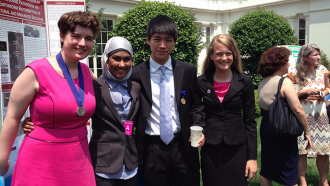
Science stars are on display at the White House
One hundred students from 30 states participated in the fourth annual White House Science Fair in Washington, D.C.
- Earth
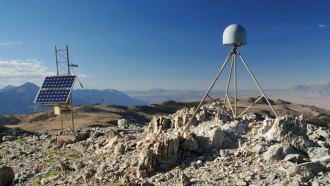
Thirst for water moves and shakes California
Here’s a scary cost to pumping up groundwater to slake the thirst of crops in California’s Central Valley: It may uplift nearby mountains and trigger tiny earthquakes, experts find.