HS-ETS1-3
Evaluate a solution to a complex real-world problem based on prioritized criteria and trade-offs that account for a range of constraints, including cost, safety, reliability, and aesthetics, as well as possible social, cultural, and environmental impacts.
- Brain
Zapping the brain may make it work right again
Sending electrical zaps to electrodes implanted deep in the brain can help people with Parkinson’s disease, depression and even obsessive-compulsive disorder.
- Chemistry
Converting trash to valuable graphene in a flash
Flash heating of carbon-rich wastes creates graphene, which has many commercial uses.
- Environment
Decades-long project is linking our health to the environment
Started in 1959, this California study is one of the oldest ongoing research projects in the world.
- Science & Society
Science isn’t just for scientists
It doesn’t take an advanced degree or a lab to do science. All you need is curiosity and an interest in learning something new every day.
- Animals
What would it take to make a unicorn?
Onward’s dumpster-diving unicorns seem like an impossibility. But scientists have some ideas about how unicorns could become real.
- Health & Medicine
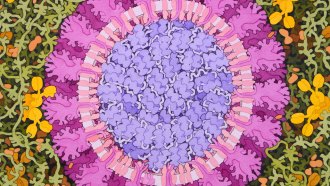
Search speeds up for vaccine against the new coronavirus
Scientists are investigating unusual ways to make drugs to prevent viral infections. One may even be able to treat already sick people.
- Chemistry
New spray gel moves drugs deep to treat frostbite
New gel spray sends healing ingredients deep into frostbite injuries to promote healing.
- Animals
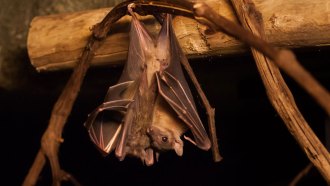
Immune arms-race in bats may make their viruses deadly to people
An overactive immune system may help bats avoid being sickened by many viruses. This may viruses becoming stronger — and deadlier — when they hit other species.
- Materials Science
Here’s how to hide some objects from heat-sensing cameras
A special coating that conceals temperature information from heat-detecting cameras might someday be used as a privacy shield.
- Science & Society
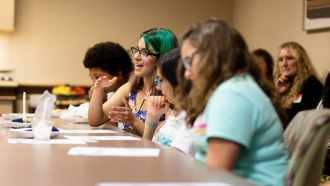
A first: Kids advise hospital researchers on their medical studies
When the Mayo Clinic realized it was missing key voices, the hospital recruited kids to advise doctors about their research.
- Physics
Giving Notre Dame back her unique voice
A 2019 fire robbed Paris’ Notre Dame cathedral of more than her roof. She also lost her voice. Now scientists are using acoustics to return her unique soundscape.
- Health & Medicine
Viewing virtual reality of icy landscapes may relieve pain
Traveling to polar vistas via virtual reality eased a temporary burning in the viewers’ skin. The same VR also lessened simulated chronic pain.