Space
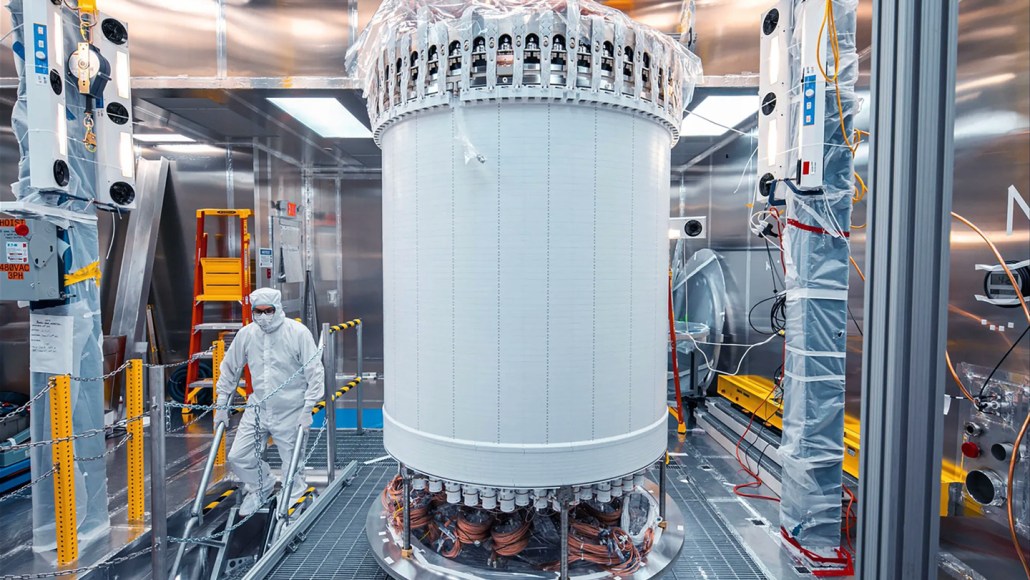
Physicists may have finally glimpsed elusive dark matter
For decades scientists have been trying to detect this invisible substance that fills the cosmos. The LZ experiment may have finally spied it.
Recently, AI agents undergoing tests acted in surprising and concerning ways. This wasn’t supposed to happen, so how worried should we be?
These super high-tech timepieces use the chemical element thorium to keep time. And as the clocks improve, they could help solve some mysteries in physics.
FDA will now allow the use of bemotrizinol in U.S. sunscreens. This long-lasting chemical protects against the solar radiation that ages and damages skin.
Scientists are making advances in decoding animal sounds. That might someday make animal translators a possibility.
Scientists are testing whether plastic pollution from the ocean can be transformed into safe and durable highways.
Methanol is used in plastics, paints and as a race car fuel. It’s been hard to make. But engineers have found a simple trick: Add lightning to methane.
Special pockets in these molecular structures make them useful in medicine, climate science and more.
Players often upload pictures of landmarks. AI can use these to build a virtual 3-D model of a city, which robots might use like a map to navigate the real thing.
The meal plans that AI made for fictional teens cut an entire meal’s worth of calories per day.