HS-LS1-2
Develop and use a model to illustrate the hierarchical organization of interacting systems that provide specific functions within multicellular organisms.
- Science & Society
Our brains might help explain why people disagree on politics
Differing political views may stem from our evolutionary past — and show up in distinct brain activity. Knowing this may help with challenging discussions.
- Brain
Why we aren’t really ‘left-brained’ or ‘right-brained’
The idea that we use different sides of the brains to be creative or logical is popular — but it’s not supported by science. Here’s why.
- Psychology
Struggling to find happiness? Here are some paths to positivity
Teens can become happier by being kind to themselves and connecting with others — in person, rather than online.
- Plants
Explainer: How a seed grows into a plant
Plants use carbon from the air to make food and build shoots, roots and more. They adapt and respond to their environments in many incredible ways.
- Brain
Here’s why being creative is good for your brain
Neuroarts, a new field of science, is finding that exposure to arts can improve learning, behavior and mental health.
- Animals
In 2024, bird flu posed big risks — and to far more than birds
Cows, elephant seals and polar bears are among unexpected bird flu casualties. Learn about potential risks to them, to people and to our food supplies.
- Animals
Can furry pets get H5N1 bird flu and spread it to us?
The 2024 pandemic-style bird flu circulating in birds has shown up in cats and other pet species.
- Microbes
More than 100 types of bacteria found living in microwave ovens
More than 30 microwave ovens were sampled in a range of different settings. The microbes in them included ones that can cause food poisoning in people.
- Health & Medicine
Explainer: Anatomy of a heartbeat
Here’s how the heart pumps blood to each and every cell of the body. It beats roughly 60 times every minute, starting before we’re born.
- Brain
Zap, zap, zap! Our bodies are electric
Electricity powers key functions in the brain, heart and bone. Scientists are working to understand those currents to improve our health and moods.
- Animals
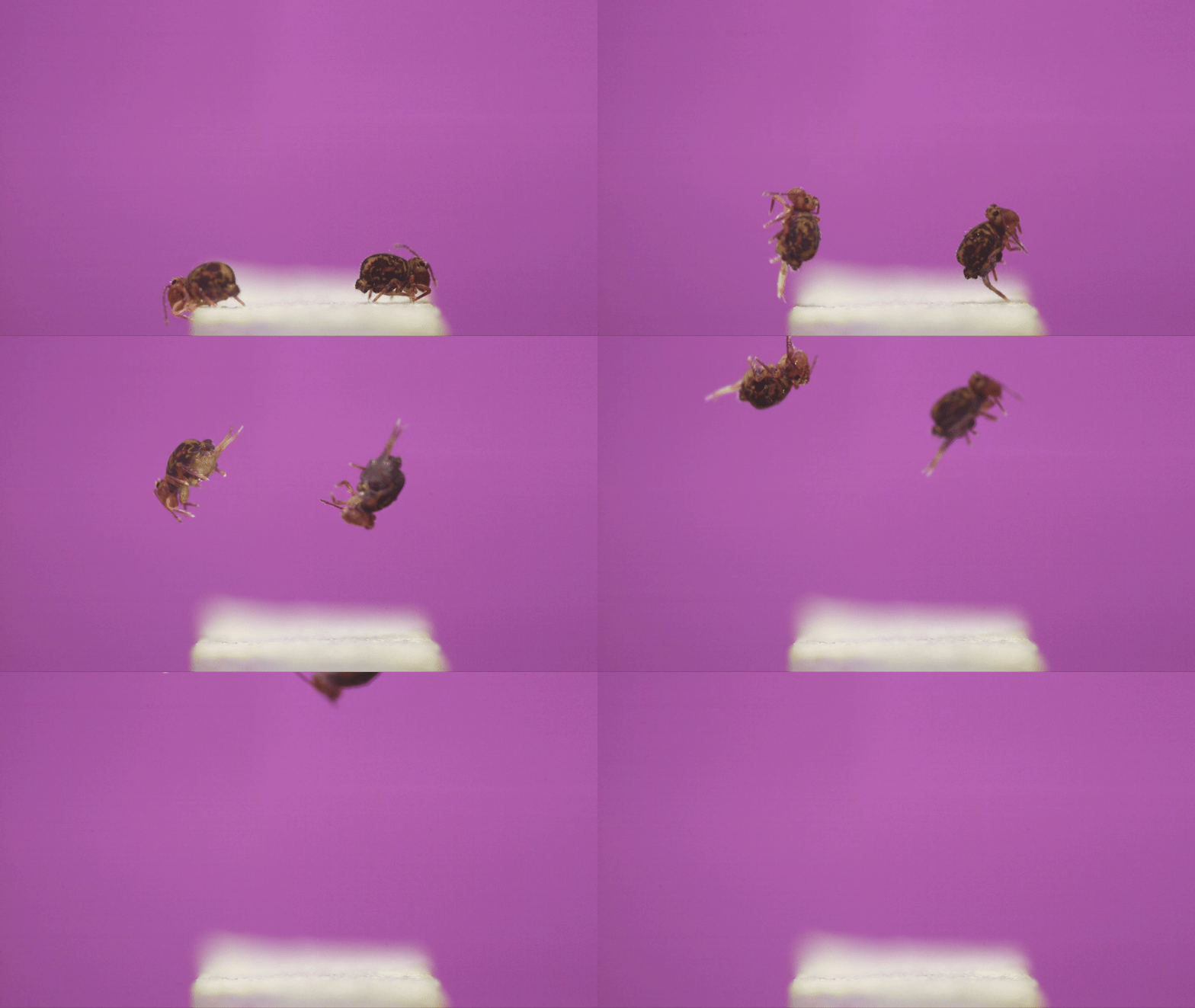
A springtail’s spring-loaded backflip is fast — really fast
Globular springtails can seem to vanish as they spin backwards at rates of up to 368 rotations per second! So don’t blink.
- Animals
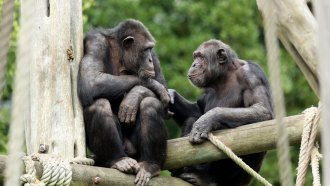
Chimps and bonobos recognize familiar faces even after decades apart
Chimpanzees and bonobos may boast the longest social memory of any animal besides humans.