HS-LS2-8
Evaluate the evidence for the role of group behavior on individual and species' chances to survive and reproduce.
- Plants
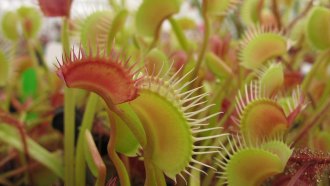
Before eating, Venus flytraps must ‘count’
Researchers find that Venus flytraps respond to the number of times insects touch their sensory hairs. This tells them when it’s time to turn on digestion.
- Health & Medicine
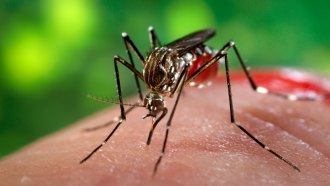
Zika virus raises alarm as it spreads in the Americas
Zika virus has been in Africa and Asia for decades. But is has now spread to the Americas. And it may cause a devastating birth defect.
- Health & Medicine
The truth about zits
A common bacterium called P. acnes usually helps keep the skin healthy. But under some conditions, and especially during puberty, it can trigger painful, embarrassing outbreaks of unsightly pimples.
- Agriculture
Banana threat: Attack of the clones
Researchers find that disease-causing fungi — all clones of one another — will continue to infect banana plants unless new steps are taken to stop their spread.
- Animals
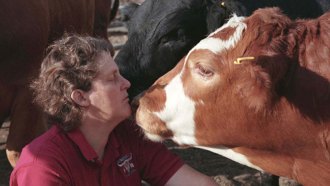
Profile: A human touch for animals
Temple Grandin uses her own autism to understand how animals think. The animal scientist is famous for fostering the humane treatment of livestock.
- Health & Medicine
Some air pollutants seep through skin
The skin is the body’s largest organ. And it can let in as much or more of certain air pollutants than enter through the lungs, a new study finds.
- Chemistry
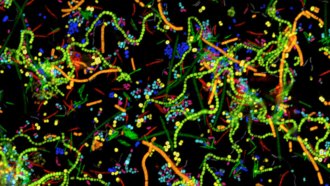
Slime cities
Biofilms are like tiny cities of bacteria — some harmless, others destructive. Scientists are learning how to keep these microscopic metropolises under control.
- Brain
Explainer: What is anxiety?
Anxiety is the stress linked to worries about an upcoming event — one that may not even happen. But anxiety can affect the body every bit as much as does the stress provoked by staring down a hungry lion.
- Animals
News Brief: Bees prefer caffeine-spiked nectar
Bees usually alert friends to sources of especially sweet nectar. But a new study finds caffeine is every bit as appealing to them as the sugar is. And that could compromise the quality of their honey.
- Animals
Wolves beat dogs at problem-solving test
When treats are at stake, wolves outperformed dogs at opening a closed container. The dog’s relationship with humans may explain why.
- Animals
Explainer: Male-female flexibility in animals
Some animals behave as if they were the opposite sex; others can even change their sex — and still produce offspring.
- Computing
These young scientists are passionate about tech and math
The 2015 Broadcom MASTERS International delegates show why math and computer skills are key to the success of science-fair projects.