HS-LS2-8
Evaluate the evidence for the role of group behavior on individual and species' chances to survive and reproduce.
- Animals
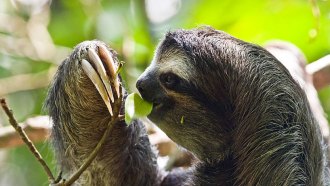
This mammal has the world’s slowest metabolism
A sloth species manages to exist with a super-slow metabolism by moving little and using its environment for heating and cooling its body.
- Animals
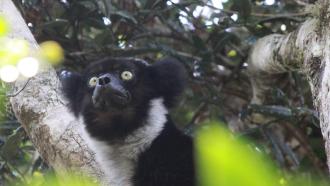
Singing lemurs sync up — until one goes solo
The indri lemurs of Madagascar sing in chorus to mark their territory. But young males sometimes solo, which may help them attract a mate.
- Chemistry
Scientists Say: Toxin
It is safe to refer to any poison as toxic. But while all toxins are poisonous, most poisons are not toxins.
- Animals
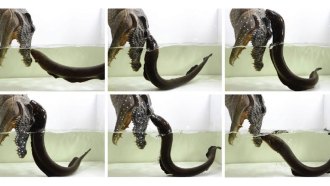
Leapin’ eels! Video shows they attack with zaps
When a predator threatens an electric eel from above, the animals leap up to deliver a shocking defense.
-
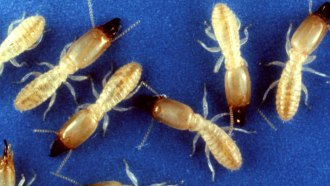
Ink leads way to terminating termites
Inspired by a classroom experiment, a teen has built a way to lure troublesome termites to their death — using the power of ink.
- Physics
Gravity waves are seen again
Four months after scientists announced the first detection of gravity waves, another set of ripples in spacetime have emerged. The new ones come from the clash of mid-size black holes in the distant universe.
- Animals
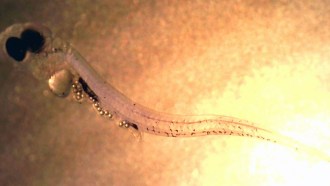
Uh oh! Baby fish prefer plastic to real food
Given a choice, baby fish will eat plastic microbeads instead of real food. That plastic stunts their growth and makes them easier prey for predators.
- Animals
Eating toxic algae makes plankton speedy swimmers
After slurping up harmful algae, copepods swim fast and straight — making them easy prey for hungry predators.
- Animals
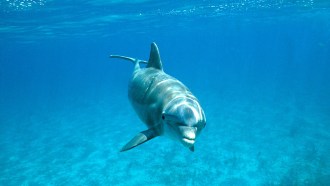
Snot may be key to dolphins’ tracking of prey
Dolphins produce clicking noises that bounce off of prey, like sonar, showing where they are. Mucus in the animals’ nasal passages may make that ‘sonar’ work.
- Health & Medicine
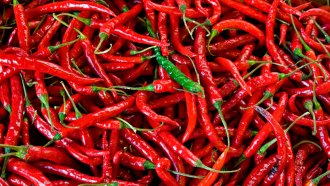
The cool science of hot peppers
Why are chili peppers spicy? Why does anyone crave food that burns? Uncovering this fiery veggie’s secrets could help fight pain and obesity.
- Earth
Breathing very dirty air may boost obesity risk
Breathing dirty Beijing air made rats heavier and less healthy than rats breathing clean air. Scientists now worry such polluted air may do the same thing to people.
- Animals
Parasites give brine shrimp super powers
When infected with parasitic worms, brine shrimp survive better in waters laced with toxic arsenic, a new study finds.