Chemistry
Experiment: Make your own marshmallows!
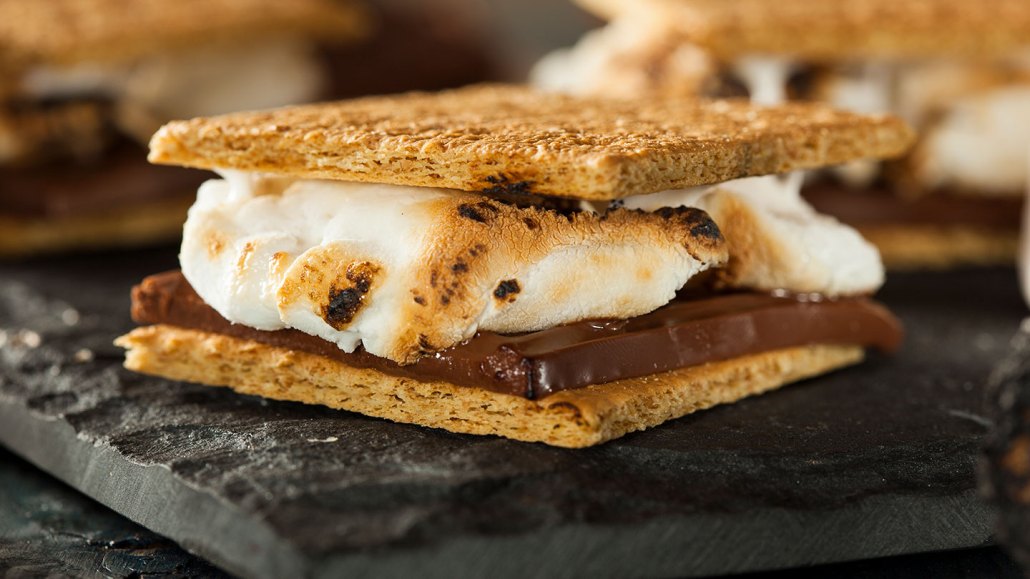
Soft, sticky marshmallows can be made with just three ingredients. Finding the right ratio of sugar and corn syrup is key to making this sweet treat.
Packed with chemical additives, these foods have become a major part of our diets. Scientists have begun to worry about how ultraprocessed foods may impact health.
The atoms that make us up couldn’t be shrunk or smashed closer together — at least, not without catastrophic consequences.
The number of neutrons and electrons can vary in atoms of the same element. The number of protons alone sets each of these substances apart.
No protons, neutrons or electrons. And yet, based on what scientists know about fundamental particles, this variety of atom just might exist.
What’s the best recipe for blowing the most impressive bubbles? Let’s find out.
Mapping the element strontium across the continent is helping track down the birthplaces of enslaved Africans brought to the Americas.
The total amount of carbon on Earth doesn’t change. But what form those carbon atoms take is constantly changing.
James Whitfield began his career when quantum computing was still in its infancy. Today, he’s helping to make it more accessible to educators, researchers and others.
Humans have been making chocolate for millennia. Now scientists are investigating how to make this tasty treat more abundant and nutritious.