Physics
Scientists made clocks from an atomic nucleus
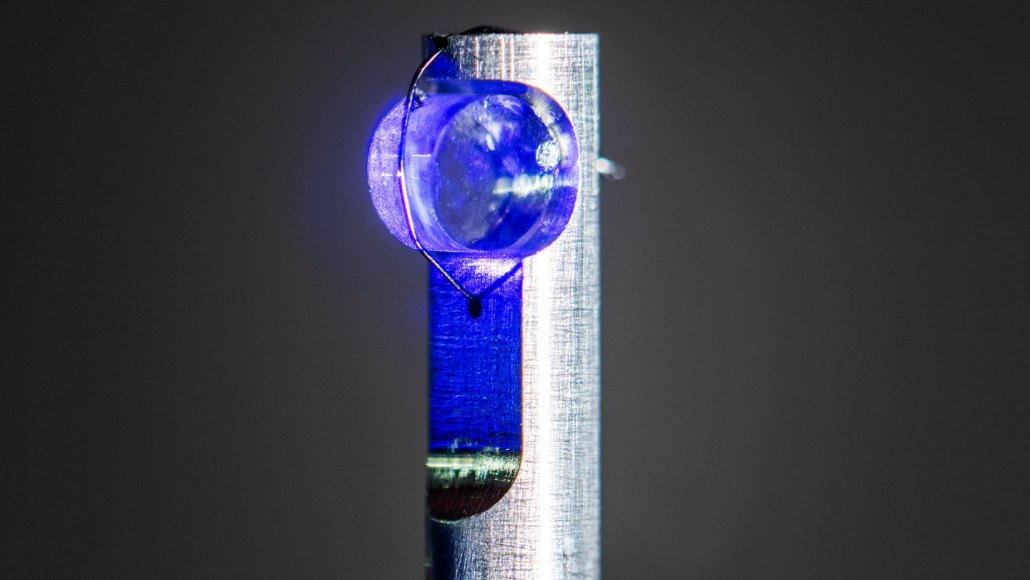
These super high-tech timepieces use the chemical element thorium to keep time. And as the clocks improve, they could help solve some mysteries in physics.
Solid at room temp, the natural trans fat conjugated linoleic acid resembles saturated fats — except that it appears good for the body in many ways.
Packed with chemical additives, these foods have become a major part of our diets. Scientists have begun to worry about how ultraprocessed foods may impact health.
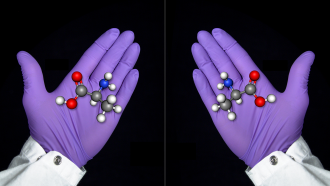
Chiral molecules are mirror images of each other. They might not seem all that different — but can have drastically different effects in medicine, materials and more.
The atoms that make us up couldn’t be shrunk or smashed closer together — at least, not without catastrophic consequences.
The number of neutrons and electrons can vary in atoms of the same element. The number of protons alone sets each of these substances apart.
No protons, neutrons or electrons. And yet, based on what scientists know about fundamental particles, this variety of atom just might exist.
Many biological molecules come in a left- and right-handed form — and biology plays favorites.
What’s the best recipe for blowing the most impressive bubbles? Let’s find out.
Mapping the element strontium across the continent is helping track down the birthplaces of enslaved Africans brought to the Americas.