Chemistry
Experiment: Make your own marshmallows!
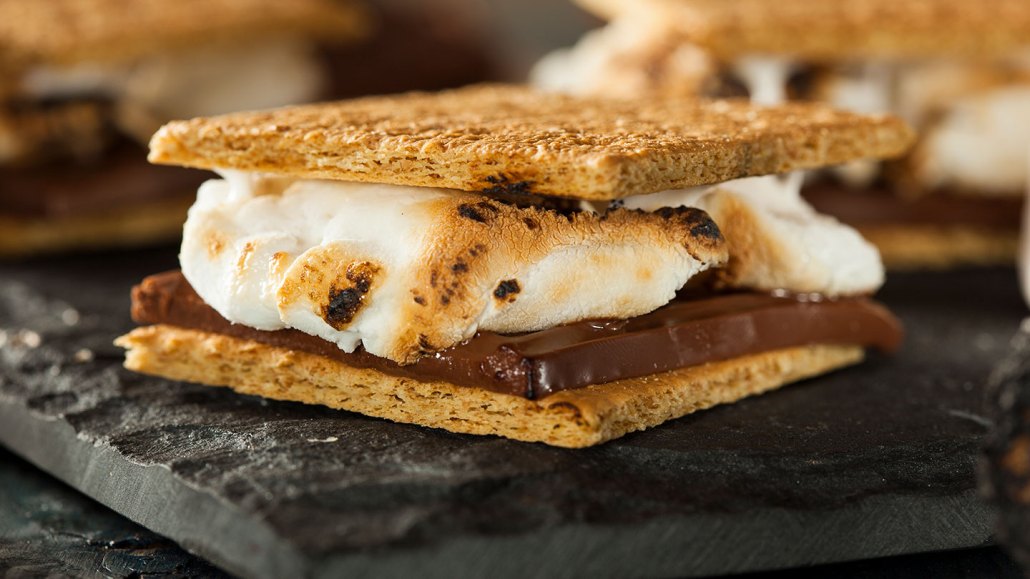
Soft, sticky marshmallows can be made with just three ingredients. Finding the right ratio of sugar and corn syrup is key to making this sweet treat.
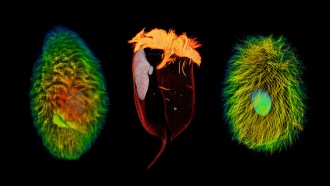
Production of this potent greenhouse gas is triggered by a newfound feature of these microbes — one with a funny name: hydrogenobody.
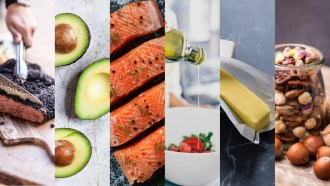
New U.S. dietary guidelines promote eating full-fat dairy and meats. But health experts say nuts and seed oils are better sources of the two crucial fats we need.
Slow and steady cuts with a sharp blade, video shows, can reduce the pain-inducing spray of tiny onion-juice droplets.
Materials known as metal-organic frameworks, or MOFs, trap some PFAS fast — and can be reused again and again.
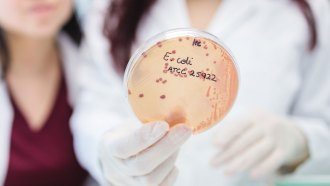
Small and deadly (to bacteria), these protein-like molecules fight the growth of potentially dangerous germs in our gut.
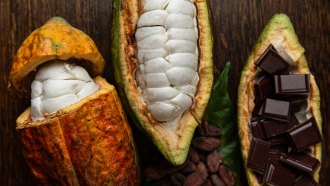
Cocoa beans matter, but yeast and bacteria may be the real secret to fine chocolate flavor.
Richard Robson, Susumu Kitagawa and Omar Yaghi developed these metal-organic frameworks, which can trap pollutants, collect water from air and more.
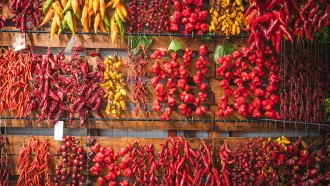
Five compounds make some chili peppers taste less spicy than others. Scientists are still figuring out why.
The total amount of carbon on Earth doesn’t change. But what form those carbon atoms take is constantly changing.