MS-ESS3-3
Apply scientific principles to design a method for monitoring and minimizing a human impact on the environment.
- Animals
Rewilding returns lost species to strengthen ecosystems
Restoring the missing species can help undo human-caused problems by aiding forests, slowing climate change and reducing wildfires.
- Climate
Climate change is upping the height of Earth’s lower atmosphere
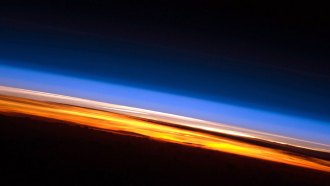
The upper edge of the troposphere, the slice of sky closest to the ground, rose 50 to 60 meters (165 to 200 feet) a decade from 1980 to 2020.
- Animals
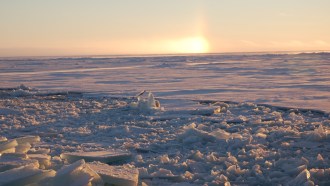
Can scientists develop an icy sanctuary for Arctic life?
The final refuge for summer sea ice may also protect the creatures that depend on it. Saving it is an ambitious goal with many hurdles.
- Earth
From icebergs to smoke, forecasting where dangers will drift
Smoke drifts. Fish eggs float downstream. Where such drifting things end up may seem a mystery. But research can predict where they’ll end up.
- Chemistry
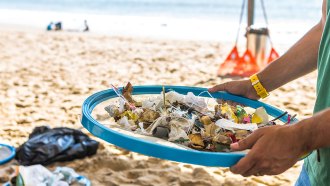
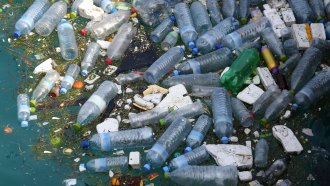
A new way to make plastics could keep them from littering the seas
Borrowing from genetics, scientists are creating plastics that will degrade. They can even choose how quickly these materials break down.
- Microbes
Genes point to how some bacteria can gobble up electricity
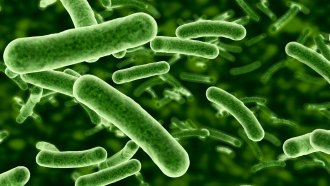
A new study shows how some microbes absorb and release electrons — a trait that may point to new fuels or ways to store energy.
- Earth
Analyze This: Nutrients from sewage may harm coastal ecosystems
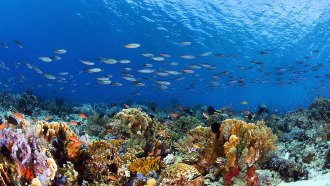
A new model suggests that 58 percent of coral reefs and 88 percent of seagrass beds are exposed to excess nitrogen from wastewater.
- Ecosystems
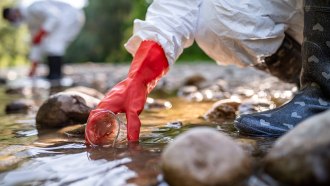
Leaky sewer pipes pollute urban streams and bays with drugs
Scientists find that leaking sewer pipes around Baltimore, Md., spew thousands of doses of medicines into the Chesapeake Bay and other waterways.
- Materials Science
Analyze This: Hardened wood can make sharp steak knives
Researchers treated wood to make it hard and dense. Out of it, they carved sharp knives and nails that could substitute for ones made of steel.
- Chemistry
Scientists find a ‘greener’ way to make jeans blue
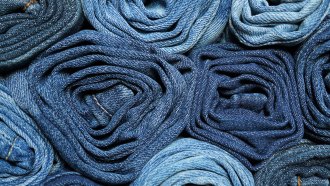
When coated onto jeans, a plant-based polymer reduces water and cuts the amount of toxic chemicals needed.
- Chemistry
Everyday plastics can pollute, leaching thousands of chemicals
Plastic bags and containers leach potentially toxic chemicals into both food and water, but researchers yet don’t know how they might affect health.
- Chemistry
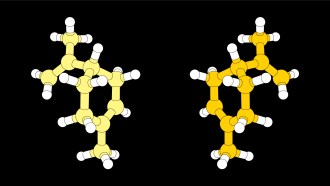
Chemists win Nobel Prize for faster, cleaner way of making molecules
Both scientists independently came up with new process — asymmetric organocatalysis. That name may be a mouthful, but it’s not that hard to understand.