MS-LS1-5
Construct a scientific explanation based on evidence for how environmental and genetic factors influence the growth of organisms.
- Animals
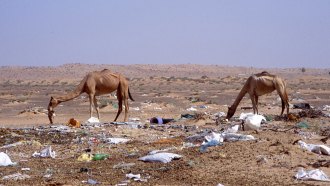
Camels have been dying after mistaking plastic for food
Plastic waste has been building up in the guts of some camels. It may now be killing off one percent of them in the United Arab Emirates each year.
- Animals
Touching allows octopuses to pre-taste their food
Special sensory cells in their arms’ suckers sense chemicals. Those cells allow them to taste the difference between food and poison.
- Health & Medicine
Strongest bones come from Goldilocks recipe of exercise and rest
Building strong bones for life depends on adolescents staying active and getting enough sleep. Sometimes a lot of sleep, like 11 hours!
- Agriculture
How to grow your own science experiment
Does fertilizer help plants grow better? You might expect it to, but how can you know? This experiment will help you test it yourself.
- Animals
Jumping ‘snake worms’ are invading U.S. forests
These bad-news invaders are spreading across the United States. As they turn forest debris into bare ground, soils and ecosystems are changing.
- Agriculture
Learning what stresses queen bees could save their hives
Beehives often die off after the queen gets too stressed to make enough babies. New tests could identify what stressed her — and point to solutions.
- Physics
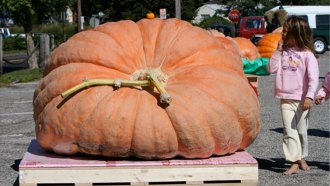
Here’s how giant pumpkins get so big
Cinderella took a ride in a pumpkin coach. Though real pumpkins do get big enough, here’s why their ride would be uncomfortable at best.
- Animals
One hummingbird survives cold nights by nearly freezing stiff
To survive a freezing night, hummingbirds in the Andes mountains go very still, slow their heart rate and let their body temperature plummet.
- Climate
The faster trees grow, the younger they die
As climate change spurs forest tree growth, it also shortens trees’ lives. That results in a quicker release of climate-warming carbon back into the atmosphere.
- Animals
Whales get a second life as deep-sea buffets
When a whale dies and sinks to the seafloor, it becomes a feast for hundreds of different types of creatures.
- Life
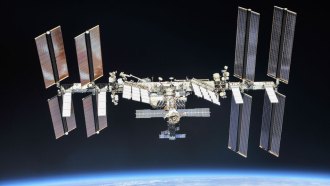
If bacteria stick together, they can survive for years in space
Tiny clumps of bacteria can survive at least three years in outer space. This raises the prospect of interplanetary travel by microbial life.
- Animals
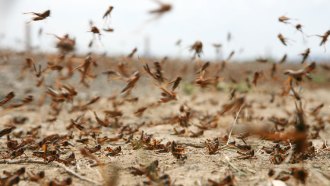
A single chemical may draw lonely locusts into a hungry swarm
Swarms of locusts can destroy crops. Scientists have discovered a chemical that might make locusts come together in huge hungry swarms.