MS-LS1-5
Construct a scientific explanation based on evidence for how environmental and genetic factors influence the growth of organisms.
- Plants
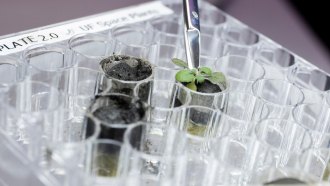
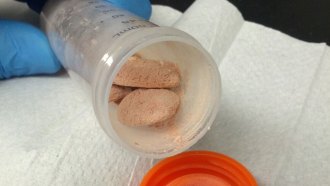
The first plants ever grown in moon dirt have sprouted
This tiny garden shows farming on the moon may be difficult, although not impossible.
- Animals
Monstrous mammals would break the body rules
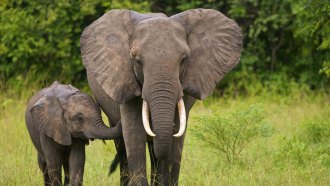
Giant mammals and people thunder through our movies and books. But real mammals can only get so large before they can’t take the heat.
- Plants
Electric shocks act like vaccines to protect plants from viruses
To protect crops against viruses in their home country of Taiwan, two teens invented a novel approach to fight blights.
- Chemistry
We all unknowingly eat plastic, which may host toxic pollutants
In the environment, plastics attract all types of toxic chemicals. If ingested, new data show, chemicals on those plastic bits may harm the gut.
- Health & Medicine
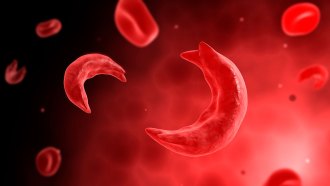
Sickle-cell gene therapies offer hope — and challenges
Doctor Erica Esrick discusses existing treatments and an ongoing clinical trial for a gene therapy to treat sickle cell disease.
- Science & Society
Explainer: What is an endangered species?
Threats such as climate change and habitat loss can put species at risk of going extinct. Different words describe that risk.
- Animals
A new drug mix helps frogs regrow amputated legs
The treatment helped frogs grow working limbs useful for swimming, standing and kicking. It’ll be a while before people can do that.
- Animals
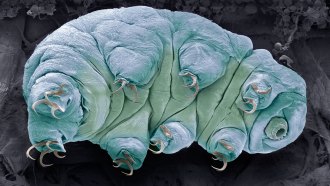
Living mysteries: Why teeny-weeny tardigrades are tough as nails
Tardigrades often live in cool, damp moss. Their cushy life has somehow prepared them to survive the lethal radiation of outer space.
- Ecosystems
Recycling a climate-warming gas could make ‘greener’ farmed fish
Instead of warming the climate, methane gas can be collected to help farmers. Along the way, it may also save some fish.
- Life
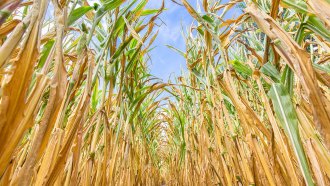
In blazing heat, some plants open leaf pores — and risk death
When heat waves and droughts collide, water is precious. Some thirsty plants try to cool off by opening tiny pores — only to lose water even faster.
- Animals
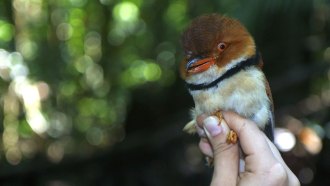
As the tropics warm, some birds are shrinking
Migratory birds are getting smaller as temperatures climb, studies had showed. New evidence shows dozens of tropical, nonmigratory species are, too.
- Climate
Secret forest fungi partner with plants — and help the climate
Forest fungi are far more than mere mushrooms. They explore. They move nutrients and messages between plants. They can even help fight climate change.