MS-LS1-5
Construct a scientific explanation based on evidence for how environmental and genetic factors influence the growth of organisms.
- Genetics
Immunity: Environment can have big impact
A study on twins suggests that environmental factors can shape a person's immune system more than genes do.
- Health & Medicine
A whale of a lifespan
Bowhead whales can live more than 200 years. The secret to such longevity may lie in the Arctic species’ genes. Scientists recently mapped the whale’s genetic code. They found features that protect the marine mammal against cancer and other problems related to old age.
- Health & Medicine
Cold noses nurture colds
The common cold infects the nose. Scientists long have known the virus grows better there, but not why. Now, a study finds the body’s defenses simply don’t work as well under the nose’s slightly cooler temperatures.
- Agriculture
Livestock: A need to save rare breeds
New studies and ongoing work highlight why society should save rare livestock breeds — and the part that technology can play.
- Brain
Nano air pollutants strike a blow to the brain
Most people think that air pollution poses the biggest risk to our lungs. In fact, pollution hits the brain too, sometimes by traveling a direct route — through our noses. These tiny pollutants can harm IQ and more.
- Chemistry
Thirdhand smoke poses lingering danger
The pollutants in cigarette smoke can linger indoors for hours. Indeed, they may pose risks long after any visible smoke is gone.
- Genetics
Germs help each other fend off antibiotics
Drug-resistant bacteria can cause persistent infections. A new study finds these germs fight drugs in different ways. And they can swap various compounds, increasing their neighbors’ chances of overcoming the drugs meant to kill them.
- Environment
Bug-killer linked to decline in birds
One of the most popular chemicals used to protect crops from bugs may also take a toll on birds, a Dutch study finds. U.S. farmers also rely on these insecticides, a second study finds.
- Animals
Keep the lights on for National Moth Week
Helping scientists is as easy as leaving your porch light on. Photograph the moths you see and upload them to the Internet for science.
- Animals
Cool Jobs: A whale of a time
Studying blue whales, spinner dolphins and other cetaceans demands clever ways to unveil the out-of-sight behaviors of these marine denizens.
- Animals
Salted butterflies
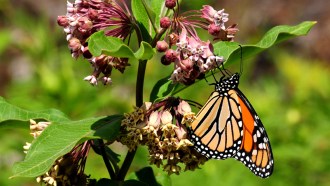
The salt used on winter ice can alter the bodies of summer's butterflies. Males develop larger muscles and females get bigger brains.
- Brain
Hunger’s little helpers
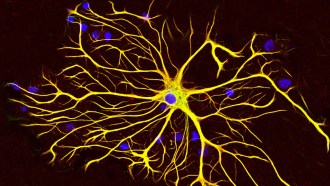
Astrocytes were thought to be nothing more than support cells for neighboring nerve cells. A new study suggests they do much more. These brain cells may help control appetite, too.