Animals
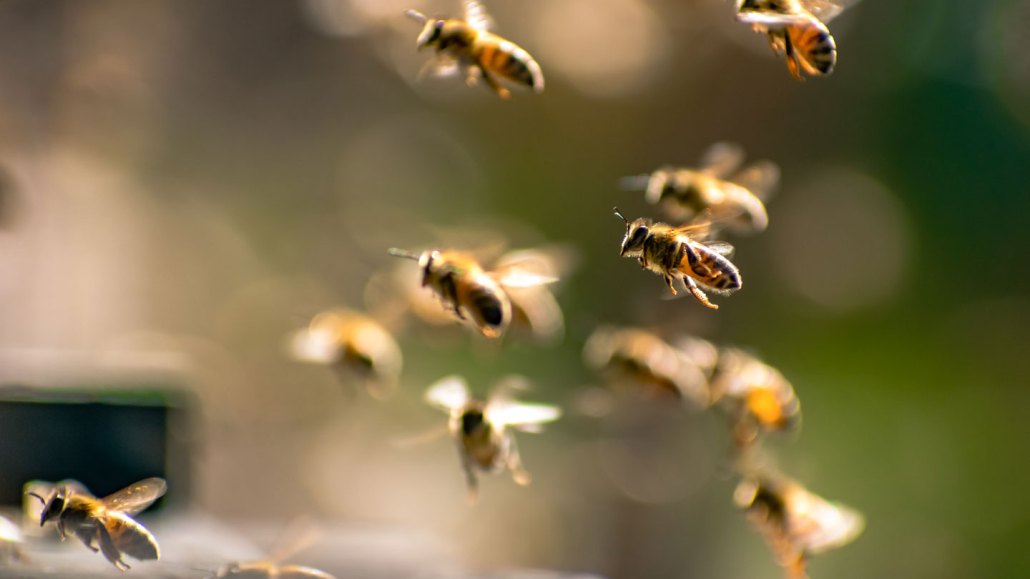
Analyze This: How many insects are in the air?
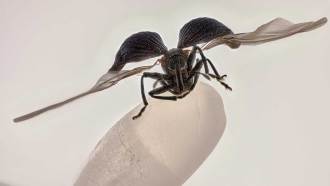
Weather data have helped estimate the density of flying insects in U.S. skies. That could help track climate change’s impact on insects.
Today’s computers process using electrical signals. But light shows promise as a new means of computing, especially for AI.
Future Red Planet residents will need to get online to talk to each other and Earth. But that will require a lot of new tech.
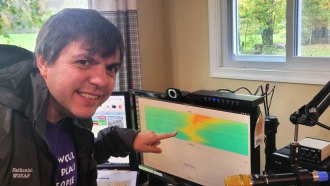
Nathaniel Frissell uses radio data to study how eclipses affect a layer of the atmosphere called the ionosphere.
The loudness of falling water depends on the height of the pour and the thickness of the stream.
Infrared light from a distant star appears to be leftovers of an impact between a pair of Neptune-sized worlds.
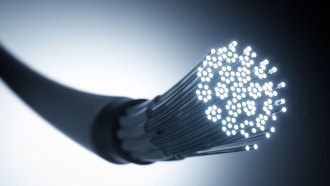
Whether you’re reading these words on a phone, computer or other device, you may have fiber optic cables to thank.
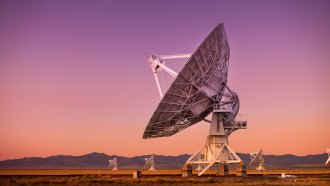
Lightning, stars, supermassive black holes and more give off radio waves.
The internet has a big environmental footprint. But this new type of tech could help reduce the climate impact of computing.
Breaks in training meant to mimic human sleep helped artificial intelligence learn multiple tasks.