Life
These clues might point to life on other worlds
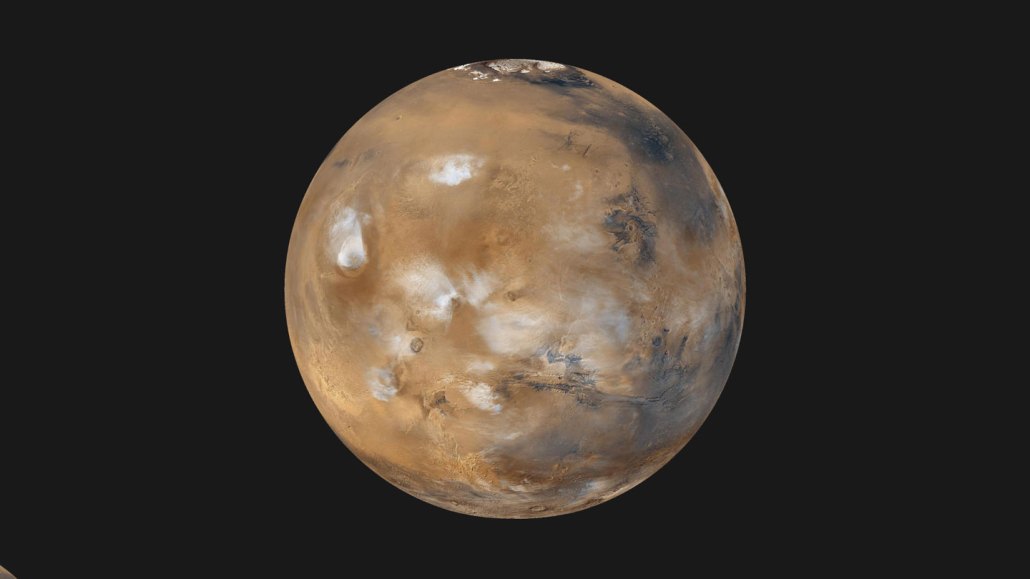
Gases and color on distant planets may trace to activity by extraterrestrial life. If so, those E.T.s are likely tiny, one-celled beings.
By Douglas Fox
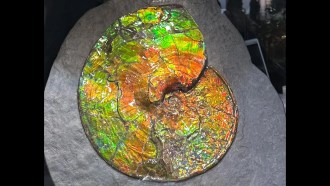
The fossils’ fabulous colors arise from delicate assemblies of crystal plates.
From fluorescent ferns to sprawling neurons, the 2025 Nikon Small World contest showcased the artistry of life as seen through a microscope.
The new tech created barcodes, micro-lasers and a tiny elephant — all in living cells.
This microphone can “hear” by viewing the tiny vibrations made in everyday objects as sound waves strike them.
Two black holes merged, creating a new, bigger one. This event triggered the clearest ripples in spacetime ever observed.
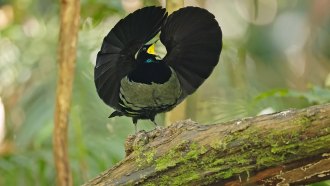
Many male birds of paradise have bellies, bills and other parts that glow under certain types of light. This special gleam may help them woo mates.
Today’s computers process using electrical signals. But light shows promise as a new means of computing, especially for AI.
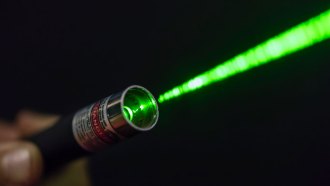
Grab a laser pointer and some Jell-O, because today we’re measuring the speed of light.
This technique links up many telescopes to see the universe in finer detail than any single telescope could alone.