Earth
Let’s learn about humanmade seismic waves
Concerts and football games shake the ground. Other events, such as eclipses, can lead to a seismic hush.
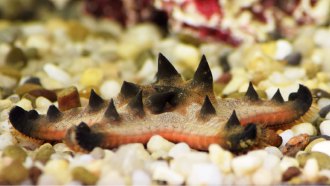
The tiny cone-shaped structures in arms of chocolate-chip sea stars also triple their skeleton’s strength.
Crystals beneath the skin of nudibranchs, also called sea slugs, allow the creatures to make an array of intense hues with just one material.
Professor and pro surfer Cliff Kapono studies human-ocean interactions through the lens of a surfer, from molecular to macro scales.
As expert echolocators make multiple clicking sounds, their brains process the echoes to help them perceive their surroundings.
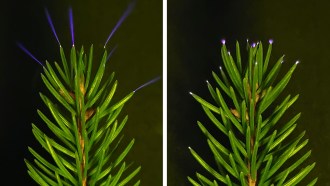
The tiny, storm-driven electric zaps dance and jump around pine needles and other leaves. Videos have just captured that subtle flickering in forests.
All living things glow with this mysterious light. But scientists need ultra-sensitive tools to detect it.
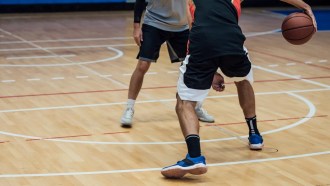
We’re hearing a shoe’s sole wrinkling in bursts that repeat thousands of times each second.
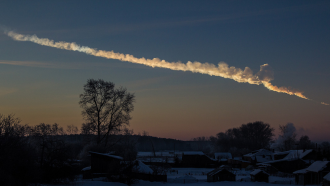
It starts as a flash. Then comes the sonic boom. The boldest meteors often go out with a bang.
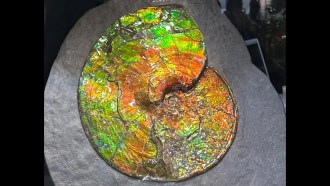
The fossils’ fabulous colors arise from delicate assemblies of crystal plates.