Animals
- Animals
Scientists Say: Evolution
Evolution is how species change over time. Individuals in the group vary, and some will pass on their genes. Over time, the whole species changes.
- Animals
Analyze This: Ropes restore a gibbon highway through a rainforest
When endangered Hainan gibbons started making risky leaps across an area mowed down by a landslide, researchers provided them a rope bridge.
- Animals
Attack of the inner-cannibal mega-shark
The outsized megalodon was a fierce terror that chewed its way across the oceans. It learned to kill even before it was born.
- Animals
Jumping ‘snake worms’ are invading U.S. forests
These bad-news invaders are spreading across the United States. As they turn forest debris into bare ground, soils and ecosystems are changing.
- Animals
When physicians and veterinarians team up, all species benefit
When doctors for people and those for animals share their expertise, they can discover new ways to take better medical care of all species.
- Animals
A whale’s nearly four-hour-long dive sets a new record
Cuvier’s beaked whales may rely on large stores of oxygen, a slow metabolism and the ability to tolerate lactic acid to go for hours without surfacing for air.
- Animals
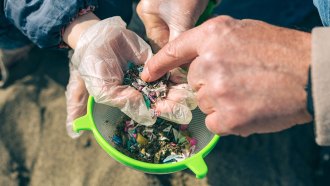
Polluting microplastics harm both animals and ecosystems
Researchers are beginning to uncover the real-world impacts of polluting microplastic bits on animals and the ecosystems they inhabit.
- Agriculture
Learning what stresses queen bees could save their hives
Beehives often die off after the queen gets too stressed to make enough babies. New tests could identify what stressed her — and point to solutions.
- Animals
Here’s what bats ‘see’ when they explore the world with sound
High-speed cameras, fancy microphones and slick software are helping scientists get the best look yet at what bats perceive through echolocation.
- Animals
One hummingbird survives cold nights by nearly freezing stiff
To survive a freezing night, hummingbirds in the Andes mountains go very still, slow their heart rate and let their body temperature plummet.
- Animals
Whales get a second life as deep-sea buffets
When a whale dies and sinks to the seafloor, it becomes a feast for hundreds of different types of creatures.
- Animals
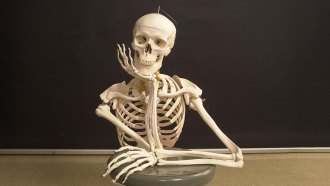
Let’s learn about bones
Bones hold us up and help us fight gravity with every step. They also make blood cells, hormones and more.