Animals
- Animals
A new chameleon species may be the world’s tiniest reptile
The newly described reptiles live in the northern forests of Madagascar. Deforestation there may also leave them on the brink of extinction.
- Animals
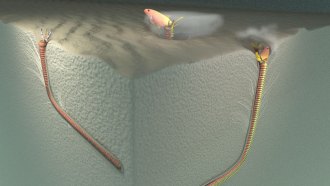
Giant worms may have hidden beneath the ancient seafloor to ambush prey
Twenty-million-year-old tunnels unearthed in Taiwan may have been home to creatures similar to today’s monstrous bobbit worms.
- Animals
How do you build a centaur?
A centaur has the torso of a human and the body of a horse. It may sound cool, but it wouldn’t work very well.
- Animals
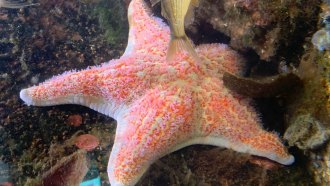
Choked by bacteria, some starfish are turning to goo
For years, researchers thought gooey, dying starfish were infected. Instead, these sea stars are suffocating. And bacteria may be behind it all.
- Animals
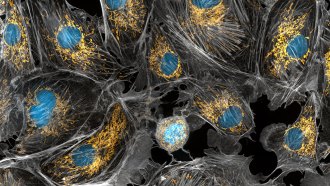
Scientists Say: Organelle
An organelle is a part of a cell with a particular function. Like organs. But for cells.
- Animals
Harsh Ice Age winters may have helped turn wolves into dogs
In the Ice Age, Arctic hunters may have turned to some game for their fatty bones. Much of those animals’ meat might have been left to domesticate dogs.
- Animals
Newfound technique allows some tree snakes to climb wide trees
When a tree is too wide to climb, brown tree snakes use a lasso-like trick to slowly ascend up to snacks.
- Animals
Let’s learn about taste
Taste tells us what’s good to eat, but scientists are still learning about how it works.
- Animals
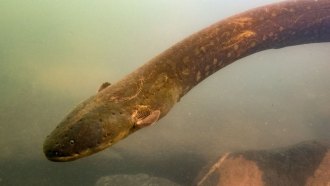
Some electric eels coordinate their attacks to zap prey
Electric eels were thought be to lone hunters — until researchers observed more than 100 eels hunting together. Their coordinated electric attacks corralled prey.
- Agriculture
Honeybees fend off deadly hornets by decorating hives with poop
Bees usually collect pollen and nectar. Scientists were surprised to find that Asian honeybees also gather animal dung to defend their hives.
- Animals
Explainer: Insects, arachnids and other arthropods
Arthropods are all around us, but identifying them can be hard. To start, look at the four main groups: chelicera, crustaceans, myriapods and insects.
- Animals
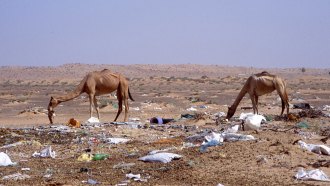
Camels have been dying after mistaking plastic for food
Plastic waste has been building up in the guts of some camels. It may now be killing off one percent of them in the United Arab Emirates each year.