Animals
- Animals
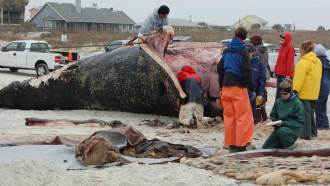
A whale of a journey
The 5,200-kilometer (3,200 mile) journey of Isabela provides a window into the migration patterns of blue whales.
- Animals
These spiders can purr
This wolf spider can purr like no other. It makes vibrations and sounds to tell a female he’s interested in her.
- Animals
This endangered species gives new meaning to ‘single mom’
Scientists have found DNA evidence that in the wild, sawfish have produced offspring without mating. That’s a first for an animal with a backbone.
- Animals
Biowarfare saves bats from killer fungus
Good news for bats. Those infected with white-nose syndrome may be cured by a brief exposure to fumes from therapeutic bacteria.
- Animals
Scientists Say: Autopsy and Necropsy
Sometimes when animals die, they need to be investigated. These examinations have two special names. One is for people, the other for non-human animals.
- Animals
This is no cold fish!
The opah is the fish closest to the whole-body warm-bloodedness typical of mammals and birds. This trait may give the species an edge in the ocean’s cold depths.
- Animals
The bugs within us
Hordes of bacteria live inside people and other animals. This ‘microbiome’ can affect the development of the blood-brain barrier, food choices — even mating.
- Animals
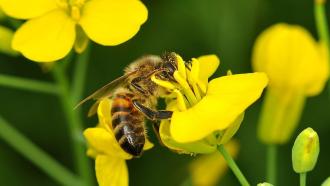
Pesticides offer bees a risky allure
Honeybees and bumblebees sometimes cannot taste or avoid pesticides called neonicotinoids. And that may expose some of these important pollinators to harm.
- Animals
Picture This: The real ‘early bird’
Long before dinosaurs went extinct, birds were emerging on Earth. These hummingbird-size wading birds are the earliest known ancestors of today’s birds.
- Animals
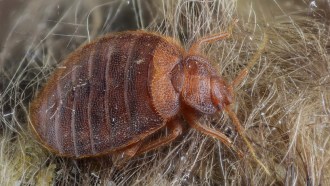
Return of the bed bug
Bed bugs have staged a comeback over the past 15 years. The bloodsucking parasites succeeded through a combination of evolution and luck.
- Animals
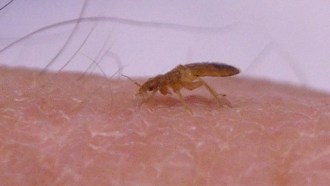
Scientists feed bed bugs (on purpose)
To study bed bugs in the lab, scientists had to first learn how to keep the blood-thirsty critters well fed. And that proved easier said than done.
- Animals
Explainer: Eek — what if you get bed bugs?
A bed bug infestation requires attention. Some treatments you can undertake yourself, but many are best left to professionals.