Chemistry
- Chemistry
How sweat might make you smell sweeter
A new scent-delivery system ensures that the more you sweat, the more perfume it releases. In fact, it only works in contact with moisture.
- Chemistry
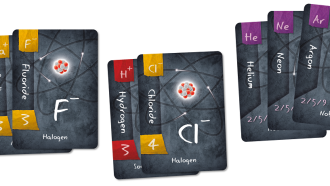
Form some bonds with a chemistry card game
A new game can make aspects of learning chemistry fun. Pair charged elements together to create neutral compounds. Win points in the process.
- Chemistry
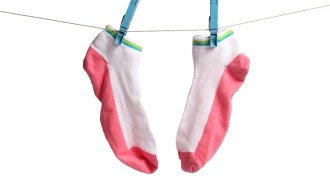
News Brief: Wash removes nano germ-killers
Manufacturers coat many fabrics with silver nanoparticles to kill bacteria. But when those items get laundered it can be bye-bye germ killers.
- Chemistry
Cooking up life for the first time
The basic components for life could have emerged together nearly 4 billion years ago on the surface of Earth, chemists report.
- Chemistry
Goopy tech leaves older 3-D printing in its wake
A new way of 3-D printing combines light and oxygen to create solid objects from liquid resin. The method quickly creates detailed objects.
- Chemistry
Silencing genes — to understand them
Hijacking a cell process called RNA interference can let scientists turn off a selected gene. Its silencing can point to what genes do when they’re on — and may lead to new treatments for disease.
- Chemistry
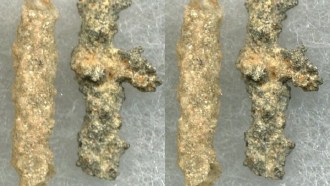
Scientists Say: Fulgurite
When lightning strikes in the right place, it can fuse minerals together in a glassy structure.
- Chemistry
Sunglasses on demand
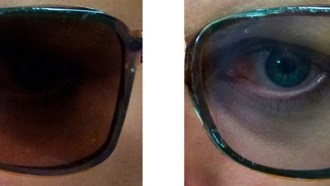
Plastics that conduct electricity let new color-changing sunglasses go from dark to light and back again at the tap of a switch. The shades could come in a range of colors too.
- Chemistry
Why metals have a blast in water
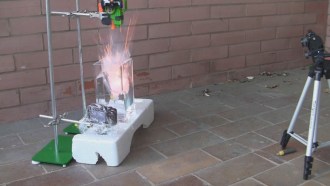
Alkali metals explode in water. Using high-speed cameras, scientists have finally figured out why.
- Brain
Blowing up the brain
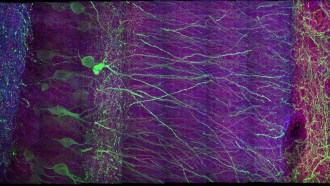
When added to brain tissue, a chemical like one found in baby diapers expands. And it expands that brain tissue too, giving scientists a better view of how its cells connect.
- Chemistry
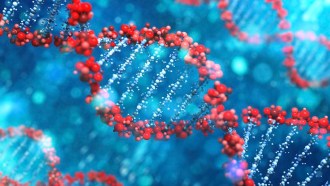
Air pollution can mess with our DNA
New research suggests a type of air pollution — diesel fumes — can affect your health. It inappropriately switches some genes on, while turning off others.
- Chemistry
Rewritable paper: Prints with light, not ink
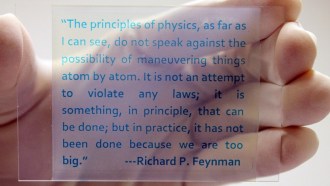
Rewritable paper could save money, preserve forests and cut down on waste — and all without using any ink.